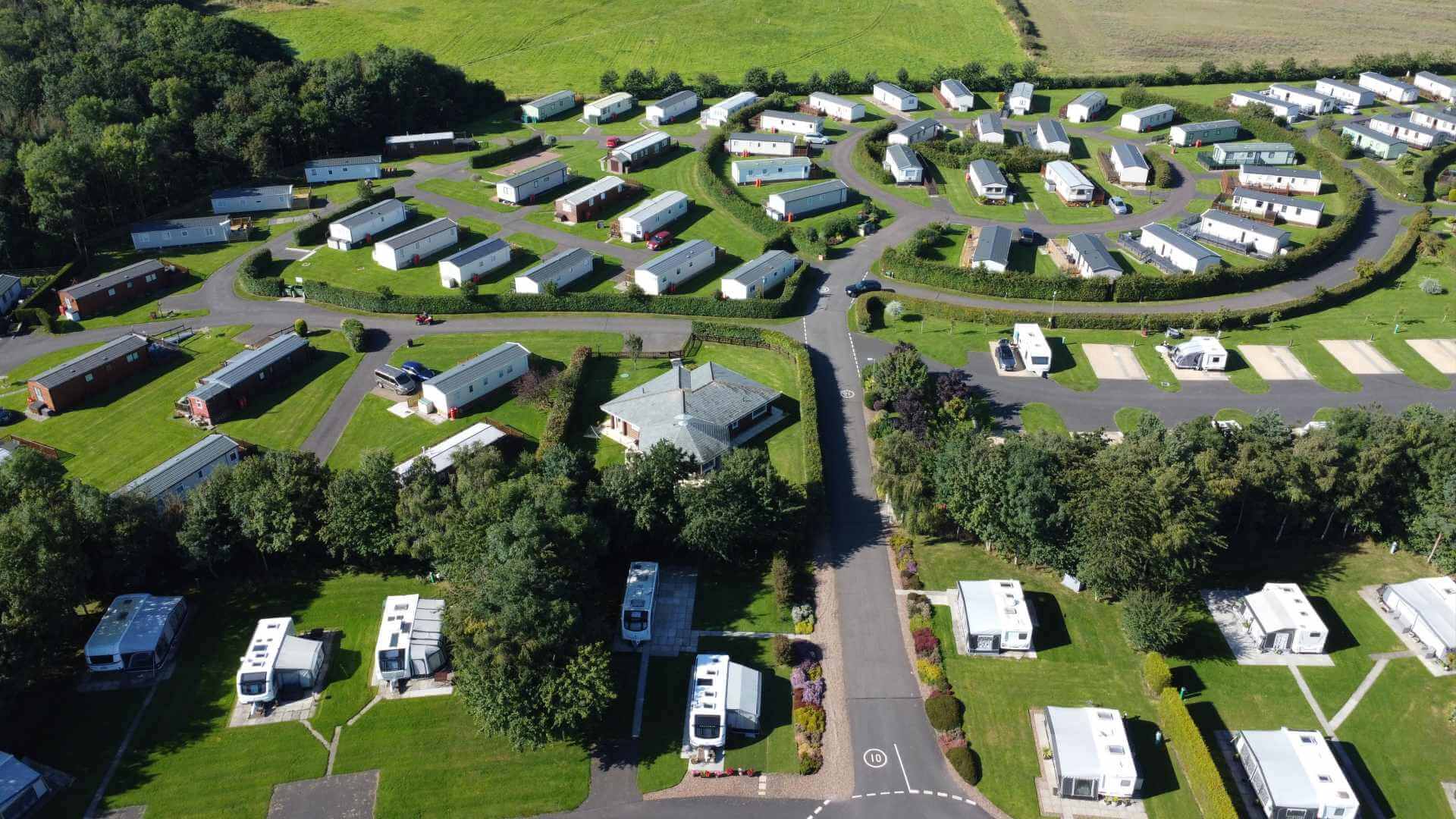
Caravan Park Compliance Guide (HSE, Fire Safety & Insurance)
Introduction
Running a caravan park in the UK means balancing great guest experiences with serious legal duties. You’re responsible for people sleeping on-site, using gas appliances, cooking, charging devices, and moving around unfamiliar grounds—often in the dark and in bad weather. Compliance isn’t about box-ticking; it’s about reducing predictable risks and proving you manage them.
This guide explains the core areas most parks need to get right: health and safety (HSE-style risk management), fire safety, and how insurance fits in. It’s written for owners, operators, and managers of holiday parks, touring parks, and mixed sites.
1) Your main compliance responsibilities (in plain English)
Most caravan park compliance comes down to three practical duties:
- Identify the main risks on your site (people, property, activities, contractors, vehicles, weather).
- Put sensible controls in place (procedures, maintenance, training, signage, emergency plans).
- Keep evidence that you do what you say you do (records, checks, certificates, logs).
If something goes wrong, regulators and insurers will look for the same things: Was the risk foreseeable? Were controls reasonable? Were they maintained? Can you prove it?
2) HSE-style health & safety: what “good management” looks like
Even when the HSE isn’t your day-to-day contact, the HSE approach is the standard most investigators use.
Risk assessments you should consider
Your site is unique, but common caravan park risk assessments include:
- Slips, trips and falls (wet grass, uneven paths, steps, decking, lighting)
- Traffic management (cars, vans, towing, delivery vehicles, pedestrians, children)
- Play areas and leisure facilities (playgrounds, pools, hot tubs, gyms)
- Water safety (lakes, rivers, ponds, sea-front access, lifebuoys, signage)
- Electrical safety (hook-up points, distribution boards, PAT testing)
- Gas safety (LPG storage, cylinder handling, appliance servicing)
- Legionella and water hygiene (showers, blocks, hot water systems)
- Manual handling (grounds work, waste, cylinders, maintenance)
- Contractor management (tree work, electrical, gas engineers, builders)
- Events and peak periods (increased occupancy, temporary staff)
Tip: keep risk assessments short and usable. A good one states the hazard, who could be harmed, controls, and who is responsible.
Training and competence
You don’t need everyone to be an expert, but you do need clear competence:
- Induction for seasonal staff
- Fire safety and evacuation roles
- First aid arrangements (appropriate to site size and risk)
- Lone working procedures for maintenance and night staff
- Safe use of equipment (mowers, strimmers, chainsaws)
Accident reporting and learning
Have a simple process for:
- Recording incidents and near misses
- Investigating patterns (e.g., repeated falls at the same path)
- Implementing fixes (lighting, surfacing, signage)
3) Fire safety: the heart of caravan park compliance
Fire risk is a major concern for caravan parks because units can be close together, materials can be combustible, and guests may be unfamiliar with exits and assembly points.
Your fire risk assessment (FRA)
A current, site-specific FRA is essential. It should cover:
- Accommodation types (static caravans, lodges, tents, touring pitches)
- Separation distances and layout
- Communal buildings (reception, bars, restaurants, shower blocks)
- Ignition sources (BBQs, heaters, cooking, charging devices)
- Fire detection and warning systems
- Emergency lighting and signage
- Firefighting equipment (extinguishers, hydrants where applicable)
- Evacuation strategy and assembly points
- Staff roles, training, and drills
If you’ve expanded the site, added glamping units, or changed buildings, your FRA should be reviewed.
Separation distances and pitch layout
Spacing rules and best practice can vary by site type and local authority expectations, but the principle is consistent:
- Reduce the chance of fire spreading from one unit to another
- Keep access routes clear for emergency services
- Control storage of combustibles (e.g., gas cylinders, sheds, decking)
Document your pitch plan and keep it updated.
Communal areas: higher footfall, higher scrutiny
Shower blocks, laundries, kitchens, bars, and entertainment spaces bring extra risks:
- Commercial kitchen fire suppression and cleaning regimes
- Electrical inspection and maintenance
- Clear exit routes and emergency lighting tests
- Capacity management for events
Fire alarms, emergency lighting, and routine checks
Create a schedule and stick to it:
- Weekly alarm tests (where relevant)
- Monthly emergency lighting checks
- Annual servicing by competent contractors
- Extinguisher inspections and replacement
Keep logs. In a claim or inspection, missing records can be as damaging as missing equipment.
4) Gas safety (LPG) and carbon monoxide risk
Caravan parks often involve LPG cylinders and gas appliances. Key controls include:
- Safe storage and handling of cylinders
- Clear rules for guests (where permitted, how many cylinders, where stored)
- Competent servicing of appliances
- Carbon monoxide awareness and suitable alarms where appropriate
If you supply gas or manage installations, ensure you use appropriately qualified engineers and keep certificates.
5) Electrical safety and hook-up points
Electrical faults can cause fires and injuries. Practical steps:
- Regular inspection and testing of electrical installations
- Maintenance of hook-up points and distribution boards
- Clear instructions for guests on safe hook-up use
- PAT testing for portable equipment in communal areas
Record inspections and remedial works.
6) Water hygiene and Legionella controls
Parks with shower blocks, hot tubs, pools, or complex water systems should treat water hygiene seriously.
- Risk assess your water systems
- Maintain temperature controls and flushing regimes
- Clean and disinfect as required
- Keep records of checks and contractor reports
If you’re unsure, get specialist support—water hygiene is an area where “we didn’t know” rarely helps.
7) Grounds, trees, and outdoor hazards
Outdoor sites change constantly with weather and seasons.
Common controls:
- Regular inspections of paths, steps, decking, and lighting
- Tree surveys and maintenance (especially after storms)
- Safe storage of chemicals and fuels
- Clear signage for steep banks, water edges, and restricted areas
8) Contractor and maintenance management
Many serious incidents involve contractors.
A simple contractor control process:
- Pre-qualification (competence, insurance, references)
- Site induction (hazards, traffic routes, permits)
- Permits to work for higher-risk tasks (hot works, confined spaces)
- Sign-off and records for completed works
9) What documents should a caravan park keep?
A practical compliance folder (digital or physical) might include:
- Fire risk assessment and review notes
- Fire alarm and emergency lighting test logs
- Extinguisher service certificates
- Electrical installation condition reports (EICR) and remedial records
- Gas safety certificates and servicing records
- Water hygiene/Legionella risk assessment and logs
- Accident book and incident reports
- Staff training records and inductions
- Contractor RAMS (risk assessments and method statements)
- Site plan, pitch layout, and emergency access routes
- Business continuity and emergency plans
10) How insurance fits into compliance
Insurance doesn’t replace compliance—it supports you when something still goes wrong.
Insurers typically expect you to:
- Maintain the site and buildings
- Follow your own procedures
- Keep inspection and servicing records
- Disclose material facts (changes to site, new facilities, claims history)
If a serious incident happens, your documentation can help show you took reasonable steps.
Key covers many caravan parks consider
Your needs depend on your site and services, but common covers include:
- Public liability: injury to guests/visitors or damage to their property
- Employers’ liability (if you employ staff)
- Property insurance: buildings, reception, bars, shower blocks, contents
- Business interruption: lost income after insured damage
- Money and theft: cash handling, break-ins
- Equipment breakdown: boilers, pumps, electrical plant
- Cyber insurance: bookings, card payments, data protection risks
- Legal expenses: disputes, employment issues, contract disagreements
If you have additional activities (playgrounds, pools, water sports, events), your liability cover should reflect that.
Common insurance pitfalls to avoid
- Underinsuring buildings or contents
- Not declaring new facilities (hot tubs, bars, events)
- Weak maintenance records (especially electrical, gas, fire)
- Assuming “standard” cover includes everything you offer
11) A simple compliance checklist you can use today
Use this as a starting point and tailor it to your site:
- Confirm who owns compliance internally (named person)
- Review and update your fire risk assessment
- Check fire logs are up to date (alarms, lighting, extinguishers)
- Confirm electrical inspections and remedials are current
- Confirm gas safety responsibilities and certificates
- Review traffic management and signage
- Inspect paths, steps, lighting, and high-risk areas
- Review water hygiene controls and logs
- Refresh staff induction and training records
- Review insurance cover against current site activities
FAQs
Do I need a fire risk assessment for a caravan park?
In most cases, yes. If you have communal areas, staff, or shared facilities, a documented fire risk assessment is a key part of demonstrating safe management.
How often should I review my risk assessments?
Review them at least annually and whenever something changes—new units, layout changes, new facilities, incidents, or near misses.
What insurance is legally required for a caravan park?
If you employ staff, employers’ liability insurance is a legal requirement in most cases. Other covers (public liability, property, business interruption) are not usually legally required but are often essential for financial protection.
Will insurers refuse a claim if my paperwork isn’t perfect?
Not always, but missing records can create delays, disputes, or reduced settlements—especially if the insurer believes poor maintenance contributed to the loss.
Next steps (and a simple CTA)
If you’d like, we can review your current caravan park insurance and highlight common gaps—public liability limits, property sums insured, business interruption, and cover for facilities like bars, pools, and events.
Speak to a specialist to get a quote and a clear compliance-friendly insurance recommendation.


 My Account