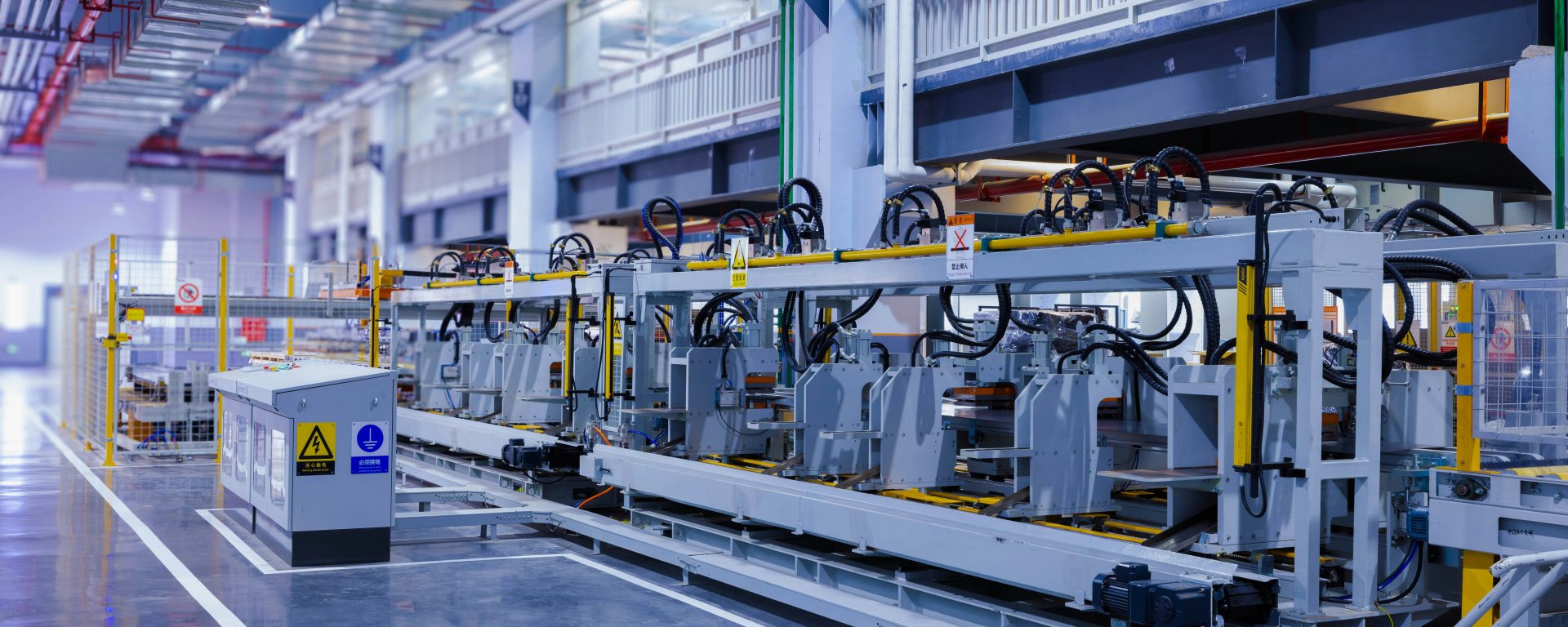
Bearings & Fasteners Manufacturing Insurance: Complete Guide for Wheel Bearings, Engine Bearings, Bolts, and Screws Manufacturers
Introduction
The bearings and fasteners manufacturing sector forms the backbone of countless industries, from automotive and aerospace to construction and industrial machinery. Whether your facility produces precision wheel bearings, high-performance engine bearings, specialized bolts, or critical fastening systems, your operation faces unique risks that demand comprehensive insurance protection.
Manufacturing components that must meet exacting tolerances and safety standards carries significant responsibility. A single defective bearing in an automotive application or a faulty bolt in construction equipment can lead to catastrophic failures, substantial liability claims, and severe reputational damage. Beyond product liability, manufacturers face equipment breakdown risks, supply chain disruptions, workplace accidents, cyber threats, and business interruption scenarios that can halt production for extended periods.
This comprehensive guide explores the essential insurance coverage bearings and fasteners manufacturers need to protect their operations, employees, customers, and bottom line. We examine the specific risks facing wheel bearing manufacturers, engine bearing producers, and bolt and screw fabricators, while providing practical guidance on building a robust insurance portfolio tailored to precision manufacturing operations.
Understanding the Bearings and Fasteners Manufacturing Landscape
The Critical Role of Precision Components
Bearings and fasteners represent seemingly simple components that perform extraordinarily complex functions under demanding conditions. Wheel bearings must withstand tremendous loads while enabling smooth rotation at high speeds. Engine bearings operate in extreme heat and pressure environments with microscopic tolerances. Bolts and screws must maintain structural integrity across applications ranging from delicate electronics to heavy construction equipment.
This precision manufacturing sector serves diverse markets including automotive OEMs and aftermarket suppliers, aerospace manufacturers, industrial equipment producers, construction companies, electronics manufacturers, and marine applications. Each market segment demands specific quality standards, certifications, and performance characteristics that influence your insurance requirements.
Manufacturing Processes and Associated Risks
Bearings manufacturing typically involves forging or casting raw materials, precision machining and grinding, heat treatment processes, surface finishing and coating, quality inspection and testing, and packaging and distribution. Each stage introduces specific risks from equipment failure and material defects to quality control issues and workplace hazards.
Fasteners production follows similar complexity with wire drawing or bar stock preparation, cold or hot forming processes, thread rolling or cutting, heat treatment and hardening, surface treatment and plating, and rigorous quality assurance testing. The combination of heavy machinery, high temperatures, chemical processes, and precision requirements creates a risk environment that demands comprehensive insurance protection.
Essential Insurance Coverage for Bearings and Fasteners Manufacturers
Product Liability Insurance
Product liability represents the most critical coverage for any bearings or fasteners manufacturer. This protection responds when your products cause injury, death, or property damage due to defects in design, manufacturing processes, or inadequate warnings and instructions.
Consider a scenario where wheel bearings your facility produced fail prematurely, causing vehicle accidents. Product liability insurance covers legal defense costs, settlements or judgments, investigation expenses, and recall coordination costs. For engine bearing manufacturers, a lubrication failure leading to catastrophic engine damage in commercial vehicles could generate claims reaching millions of pounds.
Fasteners manufacturers face similar exposure. Structural bolts failing in construction applications or screws breaking in safety-critical aerospace components can trigger devastating liability claims. Your product liability policy should provide adequate limits reflecting your production volume, market applications, and potential severity of claims. Many manufacturers in this sector carry limits ranging from £5 million to £10 million or higher, particularly when supplying automotive or aerospace markets.
Professional Indemnity Insurance
While often overlooked in manufacturing contexts, professional indemnity insurance provides valuable protection for bearings and fasteners producers who offer technical advice, engineering consultation, or custom design services. If your facility works with clients to develop specialized bearing solutions or engineered fastening systems, you provide professional services that carry liability exposure.
Professional indemnity covers claims arising from incorrect specifications, design errors that don't constitute product defects, inadequate technical advice, and failure to meet performance standards promised in consulting engagements. This coverage complements product liability by addressing pure economic losses and professional negligence claims that product liability policies typically exclude.
Commercial Combined Insurance
A comprehensive commercial combined policy bundles multiple coverages essential for manufacturing operations into a single, coordinated program. This typically includes buildings insurance protecting your manufacturing facility against fire, flood, storm damage, and other perils, contents insurance covering machinery, equipment, raw materials, and finished inventory, business interruption insurance replacing lost income when covered perils halt production, and employers liability insurance protecting against employee injury claims.
For bearings and fasteners manufacturers operating specialized facilities with expensive precision equipment, adequate buildings and contents coverage proves essential. A CNC grinding machine for bearing races or a multi-stage cold heading machine for fastener production can cost hundreds of thousands of pounds. Your contents coverage should reflect replacement cost values for all manufacturing equipment, tooling, raw material inventory, work in progress, and finished goods.
Equipment Breakdown Insurance
Manufacturing bearings and fasteners requires sophisticated machinery operating under demanding conditions. Equipment breakdown insurance, sometimes called machinery breakdown or boiler and machinery coverage, protects against sudden and unforeseen mechanical or electrical failures that standard property policies exclude.
This coverage responds to scenarios like bearing grinding machines suffering electrical failures, heat treatment furnaces experiencing mechanical breakdowns, thread rolling equipment seizing unexpectedly, and CNC machining centers requiring major repairs. Beyond repairing or replacing damaged equipment, comprehensive equipment breakdown policies cover business interruption losses during repair periods, expediting expenses to speed restoration, and spoilage of work in progress or raw materials.
Given the specialized nature of bearings and fasteners manufacturing equipment, replacement lead times can extend for months. Equipment breakdown coverage with adequate business interruption limits helps maintain financial stability during extended production outages.
Stock and Materials Insurance
Bearings and fasteners manufacturers typically maintain substantial inventories of raw materials including steel bar stock, wire, specialty alloys, finished components awaiting shipment, work in progress at various manufacturing stages, and packaging materials. Stock insurance protects these assets against fire, theft, flood, and other covered perils.
Particular attention should be paid to valuation methods. Raw materials might be insured at replacement cost, while finished goods should reflect manufacturing costs invested. For custom or specialized production runs, agreed value coverage ensures adequate compensation without disputes over actual cash value calculations.
Goods in Transit Insurance
Components moving between your facility and customers, suppliers, or subcontractors face risks during transportation. Goods in transit insurance covers bearings, fasteners, raw materials, and components against damage, theft, or loss while being transported by your own vehicles, third-party carriers, or courier services.
For manufacturers supplying just-in-time delivery programs common in automotive applications, transit coverage becomes particularly important. A stolen shipment of specialized engine bearings or damaged load of critical fasteners can trigger production stoppages at customer facilities, potentially leading to consequential loss claims.
Cyber Insurance
Modern bearings and fasteners manufacturing increasingly relies on digital systems including computer-aided design and manufacturing systems, automated production equipment with network connectivity, inventory and supply chain management platforms, and customer data systems for order processing and technical support.
Cyber insurance protects against data breaches exposing customer information, ransomware attacks halting production systems, business interruption from cyber incidents, and liability for compromised customer data. As manufacturing facilities adopt Industry 4.0 technologies and Internet of Things connectivity, cyber exposure grows substantially.
A ransomware attack encrypting your production control systems or CAD files containing proprietary bearing designs could halt operations for days or weeks. Cyber insurance covers forensic investigation, system restoration, business interruption losses, ransom payments when appropriate, and legal defense against regulatory actions or customer claims.
Industry-Specific Risk Factors
Quality Control and Tolerance Requirements
Bearings and fasteners manufacturing demands extraordinary precision. Wheel bearings might require tolerances measured in microns, while critical aerospace fasteners must meet stringent material and dimensional specifications. Quality control failures can result from calibration drift in measuring equipment, operator error during inspection processes, inadequate testing protocols, or documentation failures affecting traceability.
Insurance considerations should address the potential for batch defects affecting multiple customers, recall costs for non-conforming products, and liability for consequential damages when quality failures cause customer production disruptions.
Supply Chain Vulnerabilities
Bearings and fasteners manufacturers depend on reliable supplies of specialty steels, alloys, and raw materials often sourced globally. Supply chain disruptions from supplier failures, transportation delays, trade restrictions, or material shortages can halt production even when your facility suffers no direct damage.
Contingent business interruption coverage extends protection to scenarios where your suppliers or key customers suffer insured losses that impact your operations. This coverage proves particularly valuable for manufacturers operating lean inventory systems or serving just-in-time delivery requirements.
Workplace Safety Hazards
Manufacturing operations involve numerous workplace hazards including heavy machinery with pinch points and rotating equipment, heat treatment furnaces and high-temperature processes, chemical exposure from cutting fluids and surface treatments, material handling and ergonomic risks, and noise exposure from grinding and machining operations.
While employers liability insurance provides statutory coverage, manufacturers should consider enhanced limits and ensure robust health and safety programs to minimize claims frequency and severity. Workplace accidents not only generate insurance claims but can trigger regulatory investigations, production disruptions, and reputational damage.
Environmental Considerations
Bearings and fasteners manufacturing involves processes that create environmental risks including metalworking fluids and coolant disposal, heat treatment quenching oils, electroplating and surface treatment chemicals, and metal dust and particulate emissions.
Environmental liability coverage addresses pollution incidents, cleanup costs, and third-party claims arising from environmental contamination. Even facilities with excellent environmental management systems should maintain this protection given the potential for accidental releases or historical contamination discoveries.
Selecting the Right Insurance Provider
Industry Expertise Matters
Not all insurers understand the unique risks facing bearings and fasteners manufacturers. Seek providers with demonstrated experience in precision manufacturing, engineering sectors, and automotive or aerospace supply chains. Specialist insurers often provide more competitive terms and better claims handling because they understand your operations and risk profile.
Coverage Customization
Avoid one-size-fits-all policies that may leave critical gaps. Your insurance program should reflect your specific operations including the types of bearings or fasteners you produce, markets and applications you serve, manufacturing processes and equipment you employ, and quality certifications and standards you maintain.
Claims Handling Capability
Insurance value extends beyond premium costs to claims service quality. Investigate potential insurers' claims handling reputation, technical expertise in manufacturing claims, financial strength ratings, and responsiveness during the claims process. A product liability claim or major equipment breakdown demands an insurer with resources and expertise to manage complex situations effectively.
Risk Management Best Practices
Quality Management Systems
Robust quality management systems represent your first line of defense against product liability claims. ISO 9001 certification, statistical process control, comprehensive testing protocols, and rigorous traceability systems demonstrate commitment to quality that insurers recognize with more favorable terms.
Preventive Maintenance Programs
Equipment reliability directly impacts both operational efficiency and insurance costs. Documented preventive maintenance programs reduce equipment breakdown frequency, minimize production disruptions, and demonstrate risk management commitment that insurers value.
Employee Training and Safety Culture
Investing in comprehensive employee training covering equipment operation, quality procedures, safety protocols, and emergency response reduces workplace accidents and quality issues. A strong safety culture translates to fewer claims and lower insurance costs over time.
Frequently Asked Questions
What insurance coverage do bearings and fasteners manufacturers need most urgently?
Product liability insurance represents the most critical coverage, protecting against claims when your components cause injury or damage. Given the safety-critical applications many bearings and fasteners serve, adequate product liability limits are essential. Commercial combined insurance covering your facility, equipment, and business interruption follows closely in importance.
How much product liability coverage should a bearings manufacturer carry?
Coverage limits depend on your production volume, market applications, and potential claim severity. Manufacturers supplying automotive or aerospace markets typically carry £5 million to £10 million or higher. Smaller operations serving less critical applications might maintain £2 million to £5 million limits. Consult with specialist insurance brokers familiar with your sector.
Does standard property insurance cover specialized manufacturing equipment?
Basic property insurance covers buildings and contents but may exclude certain equipment breakdown scenarios. Dedicated equipment breakdown insurance addresses mechanical and electrical failures that property policies typically exclude. Given the specialized nature of bearings and fasteners manufacturing equipment, this additional coverage proves essential.
What factors influence insurance costs for fasteners manufacturers?
Insurers consider your production volume and markets served, quality certifications and management systems, claims history and loss experience, manufacturing processes and equipment, workplace safety record, and risk management practices. Demonstrating strong quality control and safety programs helps secure more competitive premiums.
Is cyber insurance really necessary for manufacturing operations?
Absolutely. Modern manufacturing increasingly relies on networked systems, CAD/CAM software, and digital production controls. Cyber attacks can halt production, compromise proprietary designs, or expose customer data. As Industry 4.0 adoption accelerates, cyber insurance becomes essential protection.
How does business interruption insurance work for manufacturers?
Business interruption coverage replaces lost profits and covers continuing expenses when insured perils halt production. Coverage typically requires a waiting period before payments begin and continues until operations restore or policy limits exhaust. Adequate limits should reflect your gross profit exposure during potential restoration periods.
What happens if our bearings or fasteners are recalled?
Product recall insurance, available as an endorsement or standalone policy, covers costs associated with recalling defective products including notification expenses, logistics and transportation, disposal or rework costs, and lost profits. This specialized coverage addresses scenarios that standard product liability policies may not fully cover.
Should we insure goods in transit to customers?
Yes, particularly if you maintain responsibility for goods until delivery or serve just-in-time supply arrangements. Goods in transit insurance protects against damage, theft, or loss during transportation, avoiding disputes over carrier liability limits and ensuring prompt claim resolution.
How do quality certifications affect insurance costs?
Quality certifications like ISO 9001, TS 16949 for automotive suppliers, or AS9100 for aerospace manufacturers demonstrate systematic quality management that reduces risk. Insurers typically offer more competitive terms for certified facilities because documented quality systems correlate with fewer product liability claims.
What should we do immediately after a product liability claim?
Notify your insurer immediately, preserve all relevant documentation and samples, avoid admitting liability or making commitments without insurer consultation, cooperate fully with insurer investigations, and continue normal quality control procedures. Prompt notification and cooperation ensure policy terms are met and claims handling proceeds smoothly.
Conclusion
Bearings and fasteners manufacturing combines precision engineering, demanding quality standards, and significant liability exposure. Whether your facility produces wheel bearings for automotive applications, engine bearings for high-performance engines, or specialized bolts and screws for critical applications, comprehensive insurance protection proves essential for long-term success.
A robust insurance program addresses product liability exposure, protects valuable manufacturing equipment, ensures business continuity during disruptions, and covers the diverse risks inherent in precision manufacturing operations. By working with specialist insurers who understand your sector, implementing strong risk management practices, and maintaining adequate coverage limits, you protect your business, employees, and customers while building a foundation for sustainable growth.
The investment in comprehensive insurance coverage represents not merely a cost of doing business but a strategic decision that enables you to pursue opportunities confidently, knowing your operation has protection against the unexpected events that could otherwise threaten your business viability.
For specialist advice on insurance for bearings and fasteners manufacturers, contact Insure24 at 0330 127 2333 or visit www.insure24.co.uk to discuss your specific requirements with our experienced team.


 My Account