

 My Account

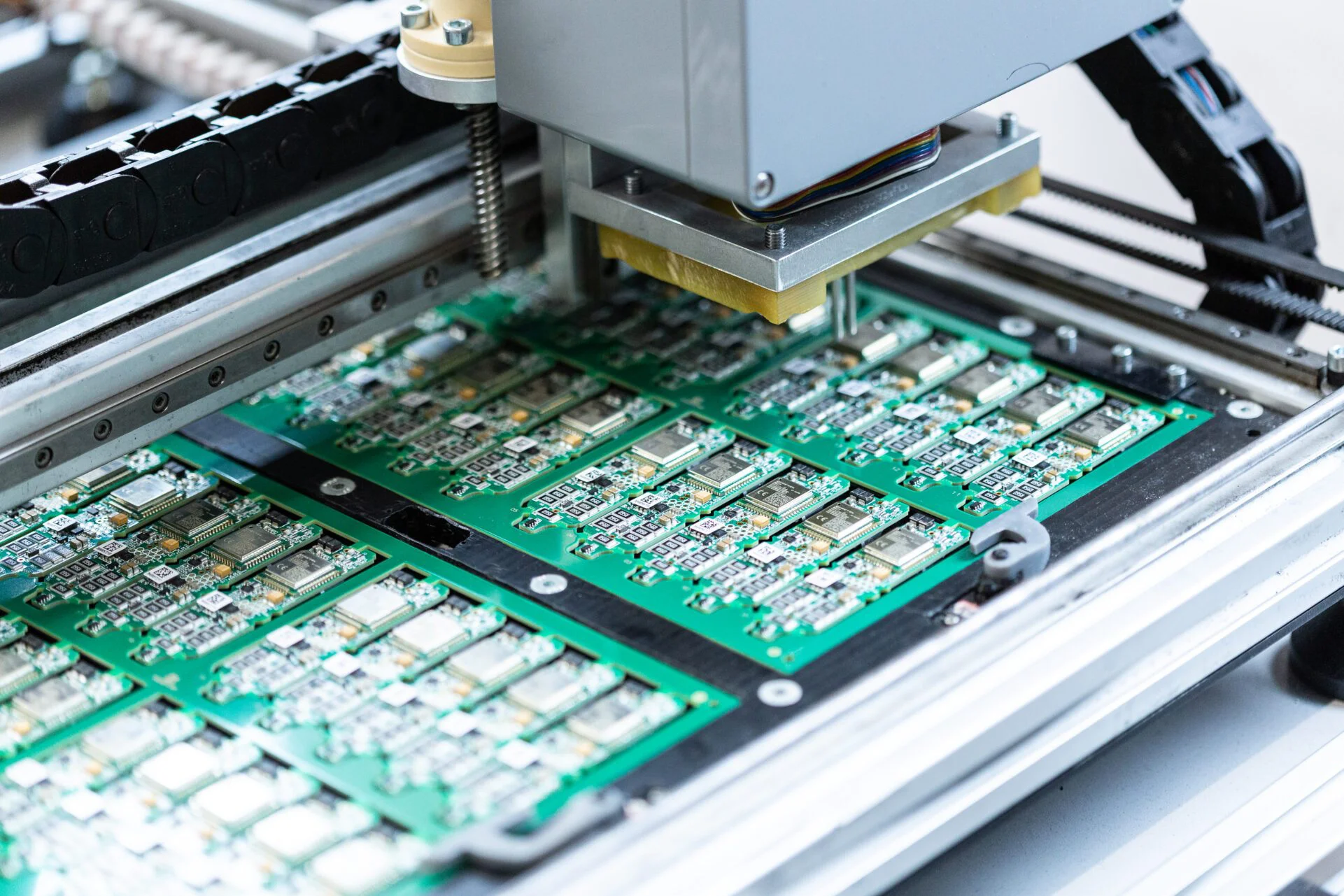
Batch Defects in Electrical Components – Insurance Implications
Introduction
Batch defects in electrical components can turn into expensive, fast-moving problems. One faulty run of connectors, PCBs, capacitors, relays, power supplies, chargers, s…
Batch defects in electrical components can turn into expensive, fast-moving problems. One faulty run of connectors, PCBs, capacitors, relays, power supplies, chargers, sensors, or wiring looms can trigger failures across hundreds (or thousands) of finished products.
For manufacturers, importers, assemblers, and distributors, the risk isn’t only technical. It’s commercial and legal: customer claims, product recalls, rework costs, reputational damage, contract disputes, and (in the worst cases) fires or injury.
This guide explains what “batch defects” look like in practice, why they happen, and—most importantly—how different UK business insurance policies may (and may not) respond.
A batch defect is a repeated fault affecting multiple units from the same production run or supply lot. The fault may be obvious (components fail on test) or latent (failures occur months later in the field).
Common examples include:
The key point: a batch defect often creates a “systemic” loss pattern—many similar claims, quickly.
Electrical components are sensitive to small variations. A supplier might change a process, a subcontractor might use a different material, or a storage issue might degrade parts before they reach your line.
Typical root causes include:
Batch defects are also hard to spot because early failures may look random. The pattern only becomes clear once returns and complaints build.
When a component fails, the claim is rarely limited to the component’s invoice value.
Impacts can include:
If the defect causes overheating, arcing, or fire, the exposure can escalate dramatically.
Liability depends on contracts, evidence, and where the defect originated. In practice, claims often move “upstream” until they land on the party with the deepest pockets or the clearest contractual responsibility.
Parties commonly involved:
Even if you believe the supplier is at fault, you may still face immediate customer claims. Recovering costs from upstream suppliers can take time and may require litigation.
Different policies address different parts of the loss. The most common mistake is assuming “product liability covers everything.” It doesn’t.
Product Liability is designed to cover legal liability for:
If a defective electrical component causes a fire that damages a customer’s premises, or injures someone, PL is often the core policy.
Key limitations to watch:
Public Liability is similar in structure to PL but focused on injury/property damage arising from your business activities (not necessarily the product itself). In batch defect scenarios, PL is usually more relevant, but both may sit together in a combined policy.
A recall is often the biggest cost driver: notifying customers, shipping returns, inspection, disposal, replacement, and PR.
Recall cover (where purchased) may help with:
Important: recall cover is not automatically included in standard liability policies. It is often a specialist add-on with strict triggers (e.g., a reasonable probability of injury/property damage).
PI can be relevant where the alleged failure is tied to:
If a customer alleges your design/specification work caused them financial loss (e.g., a product line fails compliance testing, or a system doesn’t meet performance requirements), PI may respond—subject to policy terms.
PI is particularly important for:
If the batch defect causes damage at your own premises (e.g., a component failure triggers a fire in test rigs or finished goods storage), your property policy may respond to physical damage.
However, property insurance typically won’t pay to replace defective stock simply because it is defective. It responds to insured perils (fire, flood, etc.), not quality issues.
BI can cover loss of gross profit and increased cost of working following insured property damage.
Example: a fire caused by defective components shuts your factory for six weeks. Property covers repairs; BI covers the trading loss—subject to the policy’s indemnity period and conditions.
BI generally won’t cover:
Some businesses explore supply chain extensions (contingent BI) where a key supplier’s insured event disrupts you—again, it must be an insured peril.
If the “defect” is actually a firmware issue, malicious code, or a compromised update process, cyber cover may be relevant—especially where there is:
This is more common in connected devices (IoT), medical devices, and industrial control systems.
Batch defects often create losses that sit in the gaps between policies.
Typical gaps include:
The right solution is usually a mix of:
Expect detailed questions and document requests. Being prepared can speed up decisions.
Insurers commonly ask for:
Good record-keeping can materially reduce the cost and duration of a claim.
Insurers like practical controls that reduce frequency and severity.
High-impact steps include:
Notify early. Many policies require prompt notification of circumstances that may give rise to a claim—even before a formal claim arrives.
Early notification can help with:
Avoid admitting liability or agreeing to large settlements without insurer consent.
Sometimes—but usually only where the defect causes third-party injury or property damage. Pure replacement and rework costs are often excluded unless you have specific extensions.
If you supply into safety-critical or high-volume markets, recall cover is often worth exploring. Distributors can be pulled into recalls, especially if they are the importer or brand owner.
You may still face UK claims. Strong contracts, clear incoterms, and evidence of supplier QA matter. Insurance can help with liability, but recovery from the supplier can be slow.
PI is about negligence in professional services (design/specification/advice), not physical product defects. However, many electronics businesses have both exposures.
Some specialist policies and extensions can address parts of this, but it’s not standard. The right approach depends on your product, volumes, and risk profile.
Batch defects in electrical components are a reality of modern supply chains. The winners aren’t the firms that never have defects—they’re the firms that detect issues early, contain them quickly, and have the right contractual and insurance protections in place.
If you manufacture, import, assemble, or distribute electrical components or finished electronic products, it’s worth reviewing your liability limits, whether you need recall cover, and whether your PI and BI arrangements match your real exposures.
Call Insure24 on 0330 127 2333 or request a quote online to review your current cover and discuss the right structure for your business.
Batch defects in electrical components can turn into expensive, fast-moving problems. One faulty run of connectors, PCBs, capacitors, relays, power supplies, chargers, s…
When a transformer or a piece of switchgear overheats, the damage can spread fast: smoke and fire risk, power loss, damaged plant, spoiled stock, and busi…
Component manufacturing sites often run high-load, high-heat processes with tight tolerances and long…
Printed circuit boards (PCBs) sit at the heart of most modern products — from industrial controls and EV chargers to medical devices and consumer electronics. When a PCB fail…
If you manufacture electrical products in the UK—anything from control panels and power supplies to consumer electronics—insurance isn’t just a &l…
Electrical components manufacturing sits at the sharp end of modern industry. Your products may end up in medical devices, EV charging, industrial controls, telecoms, consu…