

 My Account

Running a bar comes with unique risks and responsibilities. From busy Friday nights with crowds of customers to quiet wee…
Bar Seasonal Insurance: Protecting Your Business Through Peak and Quiet Periods
Running a bar business means navigating the natural ebb and flow of seasonal trade. From bustling summer beer gardens to quiet January evenings, seasonal variations present unique insurance challenges that require careful consideration. Understanding how to protect your bar throughout these fluctuations is crucial for maintaining financial stability and operational continuity.
Understanding Seasonal Business Patterns
Bar businesses typically experience significant seasonal variations in trade. Summer months often bring increased footfall with outdoor drinking, extended opening hours, and special events. Winter periods may see reduced trade but increased risks from weather-related incidents. Holiday seasons like Christmas and New Year present their own unique challenges with higher volumes, temporary staff, and extended celebrations.
These fluctuations affect not only your revenue but also your insurance needs. A comprehensive seasonal insurance strategy ensures your bar remains protected during both peak trading periods and quieter months when cash flow may be tighter.
Key Seasonal Risks for Bars
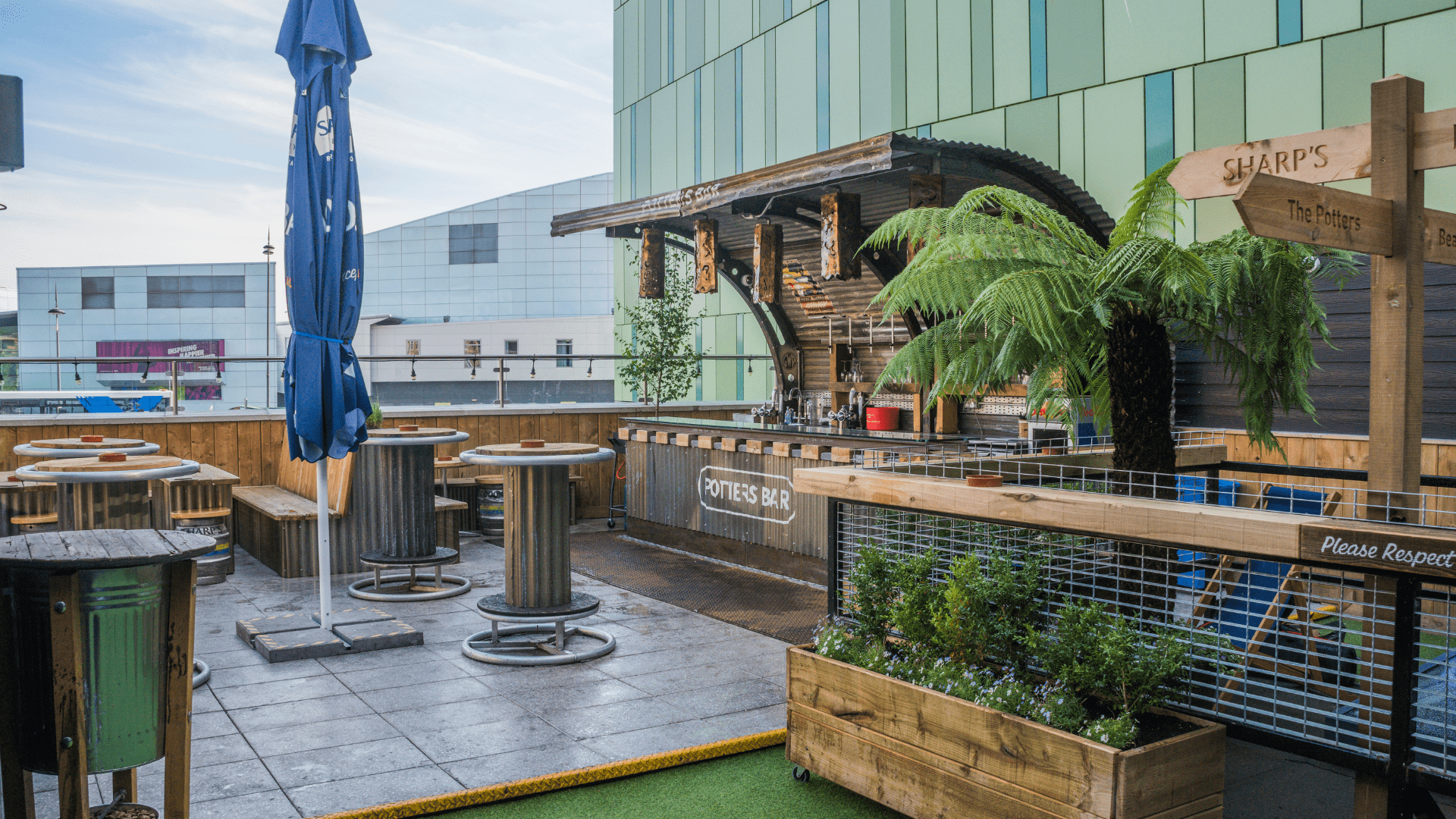
Summer months introduce specific risks including increased public liability exposure from beer gardens and outdoor seating areas. Weather-related incidents such as storm damage to outdoor furniture or flooding can significantly impact operations. Higher customer volumes increase the likelihood of accidents, disputes, and property damage.
Winter brings different challenges including burst pipes from freezing temperatures, reduced footfall affecting cash flow, and increased heating costs. Seasonal staff turnover can impact service quality and increase employers' liability risks. Weather-related closures can trigger business interruption claims during crucial trading periods.
Holiday periods present concentrated risks with higher alcohol consumption, larger crowds, and extended operating hours. New Year's Eve and other celebration periods require additional security considerations and increased stock levels, affecting your insurance requirements.
Business Interruption Considerations
Seasonal bars face unique business interruption challenges. A closure during peak summer trading can be financially devastating, while winter closures may have less immediate impact but still affect annual profitability. Your business interruption cover should reflect these seasonal variations in trading patterns.
Consider how seasonal events affect your revenue projections. A summer closure means losing not just daily takings but potentially the entire seasonal boost that sustains the business through quieter periods. Similarly, closure during Christmas and New Year can eliminate the year's most profitable trading days.
Weather-related closures present particular challenges for seasonal bars. Heavy snow, flooding, or storm damage can force closure during peak periods. Ensure your business interruption policy covers weather-related incidents and provides adequate compensation for lost seasonal trade.
Property Insurance Adaptations
Seasonal operations often require property insurance adjustments. Outdoor furniture, heating equipment, and temporary structures need appropriate coverage. Beer gardens require specific consideration for theft, weather damage, and public safety equipment.
Seasonal decorations and equipment present additional property risks. Christmas lights, outdoor heaters, and seasonal signage require adequate coverage. Storage of seasonal items during off-periods needs consideration in your property policy.
Building modifications for seasonal trade such as outdoor bars, temporary structures, or additional seating areas may require policy amendments. Ensure your insurer is aware of any seasonal modifications to avoid coverage gaps.
Staff and Liability Considerations
Seasonal staffing patterns affect your employers' liability requirements. Temporary summer staff, increased hours during peak periods, and seasonal training programs all impact your insurance needs. Ensure your policy covers seasonal employment patterns and temporary workers.
Public liability risks fluctuate seasonally with outdoor events, increased customer numbers, and extended operating hours requiring higher coverage limits during peak periods. Beer gardens and outdoor areas present additional liability exposures that may require specific coverage.
Product liability considerations change seasonally with different drink offerings, seasonal cocktails, and food service variations. Ensure your policy covers all seasonal menu items and service variations.
Cyber and Data Protection
Seasonal trading often involves increased digital transactions, online bookings for events, and customer data collection. Peak periods may strain your IT systems and increase cyber security risks. Ensure your cyber insurance covers seasonal data processing increases and system vulnerabilities.
Holiday periods often see increased cyber attack attempts targeting hospitality businesses. Seasonal promotions, online bookings, and increased card transactions create additional cyber risks requiring appropriate coverage.
Cost Management Strategies
Seasonal insurance doesn't have to mean paying peak premiums year-round. Many insurers offer flexible policies that adjust to seasonal trading patterns. Discuss seasonal rating options that reflect your actual risk exposure throughout the year.
Consider how seasonal cash flow affects premium payments. Some insurers offer payment plans that align with your trading patterns, reducing financial pressure during quieter periods.
Risk management measures can help control seasonal insurance costs. Proper maintenance during quiet periods, staff training before peak seasons, and proactive risk assessment can demonstrate good risk management to insurers.
Weather-Related Protections
Seasonal bars need specific weather-related protections. Storm damage, flooding, and extreme temperatures can all impact operations. Ensure your policy covers weather-related property damage and business interruption.
Outdoor areas require specific weather protection coverage. Damage to beer gardens, outdoor furniture, and seasonal structures should be adequately covered. Consider seasonal removal and storage of vulnerable items.
Emergency planning for weather events helps minimize claims and demonstrates good risk management. Having procedures for securing outdoor areas, protecting stock, and managing customer safety during adverse weather can help control insurance costs.
Event and Entertainment Coverage
Seasonal bars often host special events, live music, and entertainment during peak periods. These activities require additional insurance considerations including event liability, entertainment equipment coverage, and increased public liability limits.
Outdoor events present particular challenges with weather dependency, increased setup requirements, and higher risk exposures. Ensure your policy covers all seasonal entertainment activities and temporary event structures.
Stock and Supply Chain Protection
Seasonal variations in stock levels affect your contents insurance requirements. Peak season stock increases, seasonal products, and extended storage needs all require appropriate coverage. Ensure your policy reflects seasonal stock variations.
Supply chain disruptions can be particularly damaging during peak seasons. Consider cover for alternative suppliers, emergency stock procurement, and supply chain business interruption.
Licensing and Regulatory Compliance
Seasonal operations may require temporary licensing variations, extended hours permissions, and additional regulatory compliance. Ensure your insurance covers all seasonal licensing requirements and regulatory exposures.
Compliance failures during peak periods can be particularly costly. Professional indemnity cover for licensing advice and regulatory compliance support can be valuable for seasonal operations.
Claims Management During Peak Periods
Managing insurance claims during peak trading periods requires careful consideration. Rapid response requirements, temporary repairs, and business continuity planning all become more critical during busy seasons.
Establish relationships with approved suppliers and contractors before peak seasons. Having pre-arranged emergency services can minimize disruption and speed up claims resolution.
Annual Policy Reviews
Seasonal businesses benefit from regular policy reviews that consider changing risk profiles, trading patterns, and business developments. Annual reviews should assess seasonal risk exposures and ensure adequate coverage for all trading periods.
Document seasonal risk management measures and share these with your insurer. Demonstrating proactive risk management can help secure better terms and pricing.
Working with Insurance Professionals
Seasonal bar insurance requires specialist knowledge and experience. Working with brokers who understand hospitality and seasonal business challenges ensures you receive appropriate advice and coverage.
Regular communication with your insurance broker helps ensure your policy evolves with your business needs. Seasonal businesses benefit from ongoing professional support and advice.
Conclusion
Seasonal insurance for bars requires careful planning and specialist knowledge. Understanding how seasonal variations affect your risk profile enables you to secure appropriate protection while managing costs effectively. The key is working with experienced insurance professionals who understand the unique challenges of seasonal hospitality businesses.
Proper seasonal insurance planning protects your business during both peak trading periods and quieter months, ensuring you can capitalize on busy periods while maintaining protection during challenging times. This comprehensive approach to seasonal risk management supports long-term business success and financial stability.