

 My Account

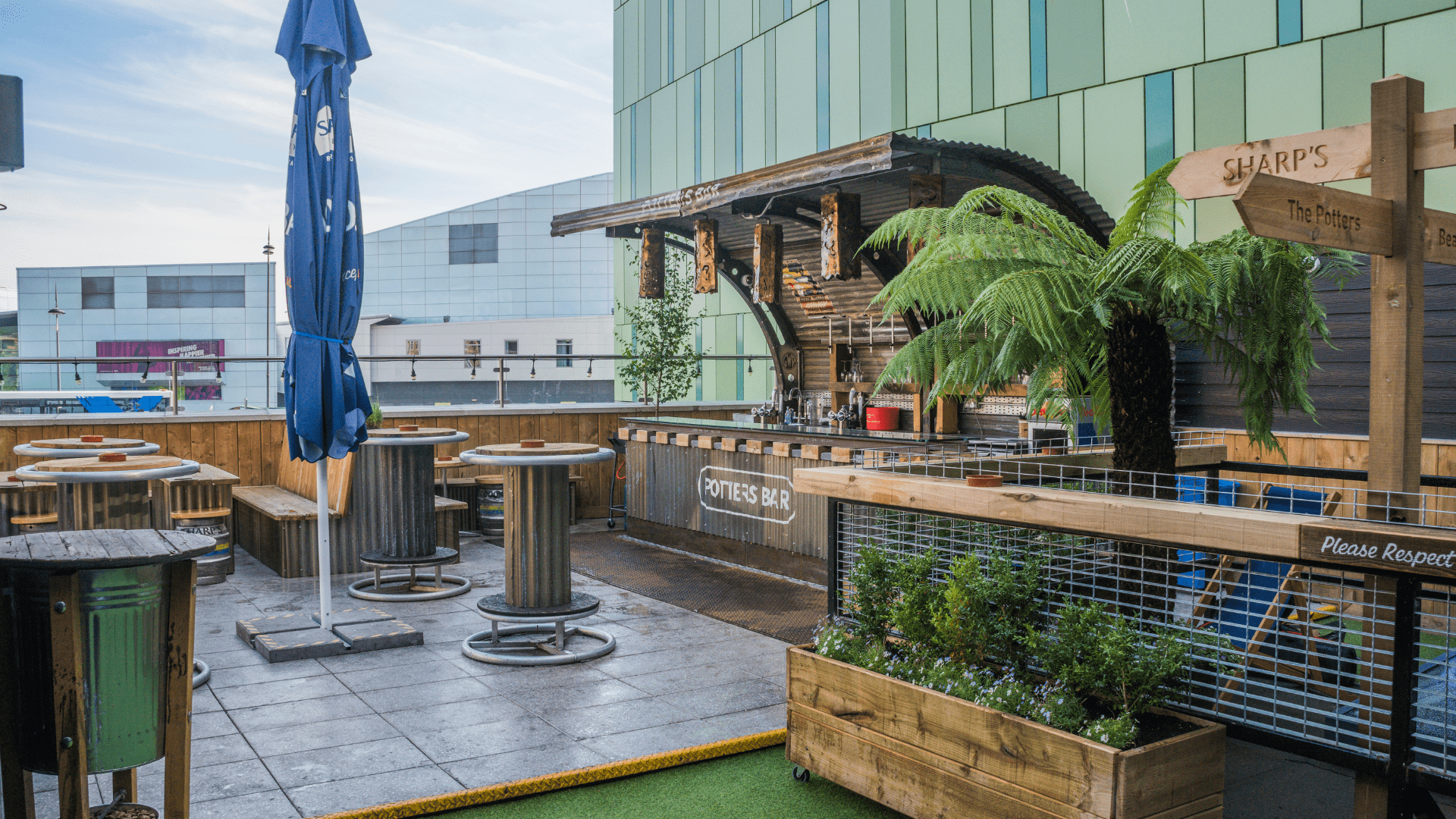
Running a bar comes with unique risks and responsibilities. From busy Friday nights with crowds of customers to quiet wee…
Bar Fire Safety Insurance: Protecting Your Business from Fire Risks and Ensuring Safe Operations
Fire safety is a critical concern for bar owners and operators across the UK. With flammable alcohol, electrical equipment, cooking facilities, and large crowds, bars face unique fire risks that require specialized insurance protection. Bar fire safety insurance provides comprehensive coverage designed specifically for the hospitality industry's fire-related exposures.
Understanding Bar Fire Risks
Bars operate in environments with multiple fire hazards that create elevated risk profiles compared to standard commercial properties. The combination of alcohol service, food preparation, electrical systems, and customer density creates a complex risk environment requiring specialized protection.
Primary Fire Hazards in Bars
Electrical Equipment Risks
Modern bars rely heavily on electrical equipment including refrigeration systems, sound equipment, lighting systems, and point-of-sale terminals. Overloaded circuits, faulty wiring, and equipment malfunctions can spark electrical fires that spread rapidly through bar environments.
Kitchen and Food Preparation Areas
Many bars serve food, creating additional fire risks from cooking equipment, grease buildup, and food preparation processes. Deep fryers, grills, and other cooking appliances generate significant heat and can ignite cooking oils or nearby combustible materials.
Alcohol Storage and Service
High-proof spirits and large quantities of alcohol create flammable liquid risks. Improper storage, spillage near heat sources, or accidents during service can lead to rapid fire spread with intense heat generation.
Smoking Areas and Materials
Despite smoking restrictions, bars still face risks from designated smoking areas, improperly disposed cigarettes, and smoking-related incidents that can ignite furnishings or outdoor areas.
Crowded Environment Challenges
High customer density during peak hours creates evacuation challenges and increases the potential for panic-related incidents during fire emergencies.
Essential Fire Safety Insurance Coverage
Property Damage Protection
Building Structure Coverage
Protects the physical bar structure including walls, floors, ceilings, and permanent fixtures from fire damage. This coverage addresses repair or rebuilding costs following fire incidents.
Contents and Equipment Protection
Covers bar equipment, furniture, sound systems, point-of-sale equipment, and inventory damaged by fire. This includes specialized bar equipment that may be expensive to replace.
Stock and Inventory Coverage
Protects alcohol inventory, food supplies, and consumable goods from fire damage or smoke contamination that renders products unsellable.
Business Interruption Insurance
Lost Revenue Protection
Compensates for income lost during closure periods following fire damage. This coverage helps maintain cash flow while repairs are completed and normal operations resume.
Additional Operating Expenses
Covers extra costs incurred to minimize business interruption, such as temporary location expenses, equipment rental, or expedited repair costs.
Extended Period Coverage
Protects against prolonged closure periods that may extend beyond initial estimates, ensuring continued financial support during extended recovery periods.
Liability Protection
Public Liability Coverage
Protects against claims from customers injured during fire incidents, including evacuation injuries, smoke inhalation, or property damage to customer belongings.
Employers Liability Protection
Covers claims from staff members injured during fire incidents or evacuation procedures, ensuring protection for workplace fire safety obligations.
Product Liability Coverage
Addresses claims related to fire incidents involving served products, particularly relevant for bars serving flambéed drinks or food items.
Specialized Bar Fire Safety Considerations
Evacuation and Emergency Response
Emergency Lighting Systems
Insurance coverage should address emergency lighting requirements and backup power systems essential for safe evacuation during fire emergencies.
Fire Suppression Systems
Coverage for specialized fire suppression systems including sprinkler systems, kitchen hood suppression systems, and portable fire extinguishers.
Evacuation Procedures
Insurance considerations for staff training, evacuation planning, and emergency response procedures that may impact coverage terms or premium calculations.
Regulatory Compliance Coverage
Fire Safety Regulations
Protection against costs associated with fire safety regulation compliance, including required upgrades, inspections, and certification processes.
Licensing Requirements
Coverage considerations for premises license requirements related to fire safety, capacity limits, and safety equipment maintenance.
Health and Safety Obligations
Insurance support for meeting health and safety fire prevention requirements and associated compliance costs.
Risk Assessment and Prevention
Fire Prevention Strategies
Equipment Maintenance Programs
Regular maintenance of electrical equipment, kitchen appliances, and fire safety systems reduces fire risks and may qualify for insurance premium discounts.
Staff Training Requirements
Comprehensive fire safety training for all staff members, including evacuation procedures, fire extinguisher use, and emergency response protocols.
Housekeeping and Cleanliness
Proper cleaning procedures, grease management, and waste disposal practices that minimize fire hazards and demonstrate risk management to insurers.
Safety System Investments
Detection and Alarm Systems
Modern fire detection systems with smoke detectors, heat sensors, and automatic alarm systems that provide early warning and may reduce insurance premiums.
Suppression System Upgrades
Investment in advanced fire suppression technology, including automatic sprinkler systems and specialized kitchen suppression systems.
Emergency Equipment
Proper placement and maintenance of fire extinguishers, emergency lighting, and evacuation equipment throughout the premises.
Claims Process and Recovery
Immediate Response Procedures
Emergency Notification
Immediate notification requirements for insurers following fire incidents, including documentation of damage and initial assessment procedures.
Damage Assessment
Professional damage assessment processes that evaluate structural damage, equipment loss, and business interruption impacts.
Temporary Protection
Coverage for temporary protective measures including boarding up, security services, and weather protection following fire damage.
Recovery Support Services
Restoration Specialists
Access to specialized fire damage restoration services including smoke damage cleanup, odor removal, and structural repairs.
Equipment Replacement
Streamlined processes for replacing damaged bar equipment, sound systems, and specialized hospitality equipment.
Business Resumption Support
Assistance with resuming operations including temporary location support, equipment rental, and accelerated repair services.
Industry-Specific Considerations
Cost Factors and Premium Considerations
Risk Assessment Variables
Location and Building Type
Urban vs. rural locations, building age, construction materials, and proximity to fire services impact insurance costs and coverage availability.
Safety System Investments
Modern fire detection, suppression systems, and safety equipment installations may qualify for premium discounts and enhanced coverage terms.
Claims History
Previous fire incidents, safety violations, or insurance claims affect premium calculations and coverage terms.
Capacity and Operations
Maximum occupancy, operating hours, entertainment types, and food service operations influence risk assessment and pricing.
Premium Optimization Strategies
Safety Certification Programs
Participation in fire safety certification programs and regular safety audits may qualify for reduced premiums.
Risk Management Partnerships
Working with insurers on risk management programs, safety training, and prevention strategies can improve coverage terms.
Deductible Considerations
Balancing deductible levels with premium costs to optimize overall insurance investment while maintaining adequate protection.
Choosing the Right Coverage
Coverage Adequacy Assessment
Property Valuation
Accurate assessment of building value, equipment replacement costs, and inventory levels to ensure adequate coverage limits.
Business Interruption Calculations
Proper calculation of potential revenue loss and additional expenses during closure periods following fire incidents.
Liability Exposure Analysis
Assessment of public liability exposures based on capacity, customer demographics, and operational characteristics.
Policy Features and Benefits
Automatic Coverage Increases
Inflation protection and automatic coverage adjustments that maintain adequate protection as business values increase.
Extended Coverage Options
Additional protections including cyber liability, employment practices, and specialized hospitality coverages that complement fire safety protection.
Claims Support Services
24/7 claims reporting, dedicated hospitality claims specialists, and expedited claims processing for business continuity.
Regulatory Compliance and Legal Requirements
Fire Safety Regulations
Premises License Compliance
Meeting fire safety requirements for premises licenses including capacity limits, emergency exits, and safety equipment maintenance.
Building Regulations
Compliance with building regulations for fire safety including escape routes, fire doors, and emergency lighting systems.
Health and Safety Requirements
Meeting workplace fire safety obligations including risk assessments, staff training, and emergency procedure documentation.
Insurance and Legal Integration
Legal Expense Coverage
Protection against legal costs associated with fire safety violations, regulatory investigations, or liability claims.
Regulatory Defense
Coverage for defense costs in regulatory proceedings related to fire safety compliance or incident investigations.
Compliance Support
Insurance-provided resources for maintaining fire safety compliance and meeting regulatory requirements.
Conclusion
Bar fire safety insurance provides essential protection for hospitality businesses facing unique fire risks from alcohol service, food preparation, electrical systems, and high customer density. Comprehensive coverage addressing property damage, business interruption, and liability exposures ensures bars can recover from fire incidents while maintaining financial stability.
Effective fire safety insurance combines adequate coverage limits with proactive risk management, safety system investments, and regulatory compliance. Bar owners should work with specialized hospitality insurance providers who understand the industry's unique risks and can provide tailored coverage solutions.
The investment in comprehensive fire safety insurance protection, combined with proper safety procedures and equipment, provides the foundation for safe bar operations and long-term business success in the competitive hospitality industry.