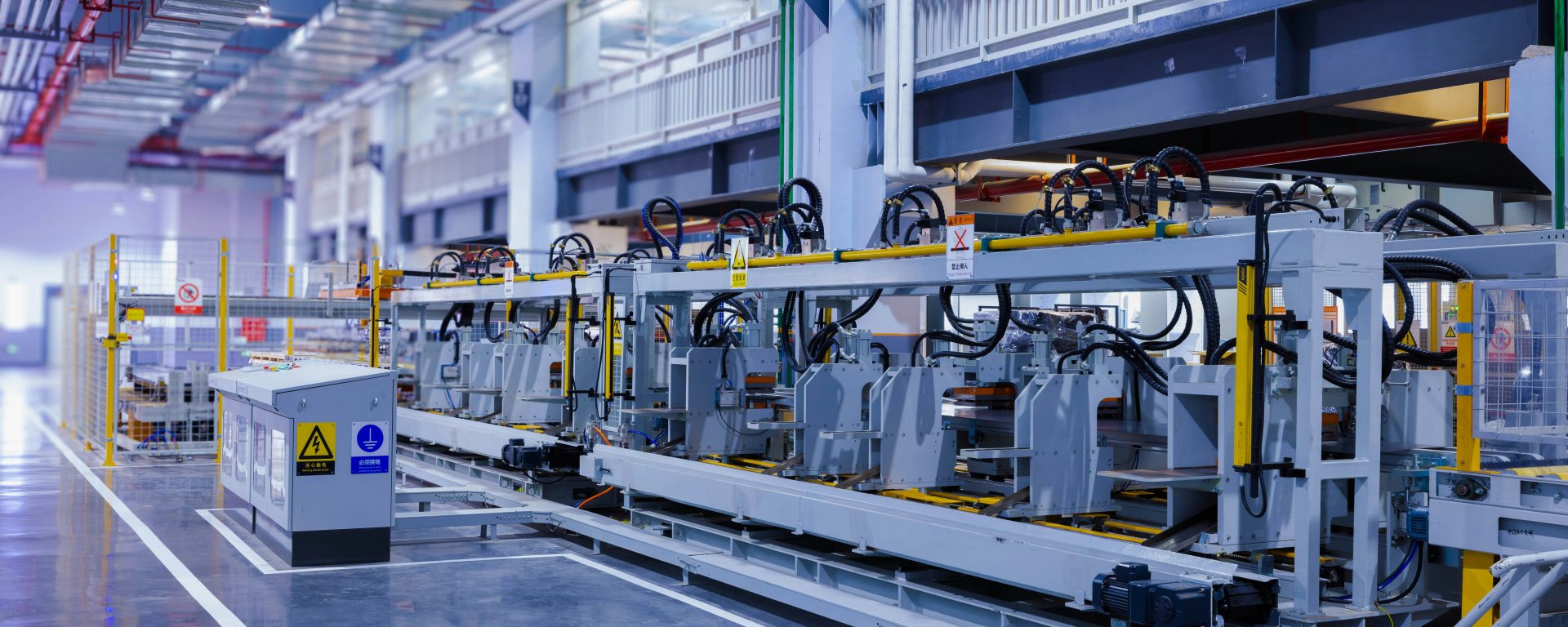
Avionics Integration Plant Manufacturing Insurance (UK): A Practical Guide to Covering High-Value Electronics, Testing, and Liability
Introduction
Avionics integration plants sit at a tricky intersection: high-value electronics, precision manufacturing, safety-critical installation, specialist testing, and a supply chain that often includes aerospace primes, defence contractors, and tightly controlled certification requirements. That mix can be commercially rewarding — and unforgiving when something goes wrong.
Whether you’re integrating flight management systems, navigation and communication suites, ADS-B and transponders, cockpit displays, wiring looms, sensors, or mission systems, the insurance question is the same: how do you protect the plant, the people, the products, and your contractual liabilities without paying for cover you don’t need?
This guide explains the core risks inside an avionics integration facility and the insurance covers UK plants typically need — from property and business interruption through to product liability, professional indemnity, cyber, and specialist transit and testing exposures.
What counts as an “avionics integration plant” for insurance purposes?
Insurers and underwriters will want to understand exactly what you do, because “avionics” can mean anything from electronics manufacturing to installation and certification support. In practice, an avionics integration plant may include:
- Integration of avionics line-replaceable units (LRUs) into aircraft, helicopters, UAVs, or simulators
- Harness and loom design/manufacture, cable assembly, connectors, and termination
- Panel build, cockpit display integration, and instrument installation
- Software configuration, firmware loading, and system calibration
- Bench testing, environmental testing, EMC/EMI checks, and functional testing
- Quality control, traceability, and documentation for audits and certification
- Repair, overhaul, and modification (including retrofit programmes)
- Work on customer-owned aircraft or customer-supplied parts
The more your work touches design advice, specification, sign-off, or safety-critical decisions, the more likely you’ll need a blend of liability covers — not just a basic “factory policy”.
Why avionics integration plants have unique risk profiles
Avionics integration is high consequence. A minor wiring error, an incorrect configuration, or a missed test step can lead to:
- Grounded aircraft and consequential loss claims
- Costly rework and strip-down
- Regulatory scrutiny and audit findings
- Contractual penalties and loss of approved supplier status
- In worst cases, injury or catastrophic loss
Even when you do everything right, you may still face allegations — and legal defence costs can be significant. Good insurance is as much about defence and contract compliance as it is about paying claims.
The core insurance covers for avionics integration plant manufacturing
1) Property insurance (buildings, contents, plant, and equipment)
Property cover is the backbone for most integration plants. It typically protects your premises and physical assets against insured events such as fire, flood, theft, and escape of water (subject to terms and conditions).
For avionics integration facilities, underwriters will focus on:
- High-value test equipment (ATE rigs, oscilloscopes, spectrum analysers, environmental chambers)
- ESD-sensitive stock and storage controls
- Fire risk from soldering, rework stations, battery testing, or hot works
- Security (access control, alarms, CCTV, key management, visitor procedures)
- Flood exposure and resilience measures
Make sure sums insured reflect replacement cost, not book value. Specialist equipment can have long lead times, and that matters for business interruption too.
2) Business interruption (BI)
Business interruption insurance helps replace lost gross profit and covers increased costs of working after an insured property event (for example, a fire that shuts the plant).
BI is particularly important for avionics integration because:
- Projects are often time-critical with contractual milestones
- Specialist equipment may be hard to replace quickly
- Approved processes and calibrated rigs can’t always be replicated overnight
- Supply chain disruption can halt production even if your building is intact
Key BI decisions include the indemnity period (often 12–24 months for specialist manufacturing) and whether you need extensions such as supplier/customer dependency or denial of access.
3) Employers’ liability (EL)
If you employ staff in the UK, employers’ liability is usually a legal requirement. It covers your liability if an employee is injured or becomes ill due to their work.
In an avionics integration plant, typical EL exposures include:
- Manual handling injuries (moving equipment, racks, aircraft components)
- Solder fumes and chemical exposure (flux, solvents, cleaning agents)
- Electrical safety incidents
- Slips, trips, and falls in workshop environments
- Noise exposure in test areas (depending on operations)
4) Public liability (PL)
Public liability covers injury to third parties or damage to third-party property arising from your business activities. For integration plants, this can include visitors, contractors, customers on site, and off-site work (such as installation or commissioning).
PL is often required by landlords, clients, and prime contractors. Underwriters will want to know:
- Whether you work on customer sites or airfields
- Whether you handle customer property
- Whether you use subcontractors and how you control them
5) Products liability (including completed operations)
Products liability is critical where your integrated system, harness, or modified component could cause damage or injury after it leaves your control. In aerospace, even small defects can lead to major losses.
Products liability claims might arise from:
- Incorrect wiring or pinouts leading to system failure
- Faulty installation causing overheating or electrical arcing
- Incorrect configuration or software load leading to malfunction
- Inadequate testing or documentation leading to undetected issues
Many buyers will expect products liability to include completed operations and to be written with limits appropriate for aerospace supply chains.
6) Professional indemnity (PI)
Professional indemnity is often the difference between “we’re covered” and “we’re exposed” for avionics integration businesses.
If you provide any of the following, PI is usually relevant:
- Design input or engineering advice
- Specification, drawings, schematics, or harness design
- Certification support or compliance documentation
- System integration planning and test procedures
- Project management where errors could cause financial loss
PI typically responds to claims for financial loss caused by negligence in professional services — for example, a design error that causes a customer to incur rework costs, delays, or failure to meet certification requirements.
Because contracts in aerospace can include strict liability language, it’s worth checking how your PI policy treats:
- Contractual liability
- Fitness for purpose clauses
- Rectification/rework costs
- Mitigation costs
- Worldwide jurisdiction and choice of law
7) Cyber insurance
Avionics integration plants are increasingly digital: CAD files, wiring schematics, configuration data, test results, calibration certificates, supplier portals, and customer documentation. A cyber incident can stop production and create contractual fallout.
Cyber insurance can help with:
- Ransomware and business interruption
- Incident response and forensic investigation
- Data restoration
- Notification and regulatory support (where applicable)
- Third-party liability (for example, if customer data is compromised)
Even if you don’t hold consumer data, you may hold sensitive commercial or defence-related information. Underwriters will likely ask about MFA, backups, patching, endpoint protection, and supplier access controls.
8) Goods in transit and cargo
Avionics components are often shipped between suppliers, your plant, and customer sites. Standard courier terms may be inadequate for high-value, fragile electronics.
Goods in transit cover can protect stock and equipment while being transported, including:
- Customer-supplied parts you’re responsible for
- High-value LRUs and displays
- Test equipment moved between sites
- International shipments (subject to policy terms)
9) Tools, portable equipment, and “all risks” cover
If your engineers carry laptops, diagnostic tools, calibration devices, or portable test gear, you may need an all-risks section covering accidental damage and theft away from your premises.
10) Engineering inspection and breakdown
Some plants benefit from engineering inspection and breakdown cover for critical machinery or equipment. If a key environmental chamber fails mid-project, the cost isn’t only repair — it’s delays, retesting, and missed milestones.
Specialist exposures to discuss with your broker/insurer
Customer property / care, custody and control
Integration plants often hold customer-owned aircraft parts, avionics units, or even whole aircraft on site. Not every liability policy automatically covers damage to property you’re working on or holding.
Ask specifically about cover for:
- Customer parts stored on your premises
- Items you are working on (including during testing)
- High-value items left with you for extended periods
Testing and commissioning risk
Testing is where issues are found — and where damage can occur. For example, incorrect power application can damage an LRU; a wiring error can cause cascading failures; ESD can silently degrade components.
Make sure your policy structure matches your reality: what you test, how you test, and what the worst-case loss looks like.
Recall, rework, and rectification
Many businesses assume product liability will pay for recall and rework. Often, it won’t — or it will only respond in limited circumstances. If your contracts make you responsible for rectification costs, it’s worth exploring how these are treated in your liability policies.
Contractual requirements from primes and aerospace customers
Aerospace contracts can be strict about insurance limits, additional insured wording, waivers of subrogation, and jurisdiction. Before you sign, check that your insurance can comply — and that you’re not agreeing to liabilities your policy excludes.
Risk management that can improve insurability
Insurers don’t just price on turnover and claims history. They price on controls. In avionics integration, strong controls can materially improve terms.
- Quality management systems (e.g., ISO 9001; aerospace-specific standards where applicable)
- Traceability for parts, batches, and test results
- Calibration schedules and documented procedures
- ESD control (flooring, wrist straps, storage, training)
- Hot works permits and fire protection measures
- Supplier vetting and incoming inspection
- Cyber controls (MFA, backups, least privilege, patching)
- Subcontractor management (contracts, insurance checks, method statements)
How insurers will typically rate an avionics integration plant
When you request quotes, expect questions such as:
- What is your turnover split between manufacturing, integration, installation, and professional services?
- Do you work on manned aircraft, UAVs, simulators, or all three?
- Do you design harnesses/schematics or only build to customer spec?
- What is the maximum value of customer property at your premises at any one time?
- Do you perform flight-critical work or safety-of-flight sign-off?
- What countries do you supply to, and what jurisdictions apply in your contracts?
- What testing do you perform, and what are your controls?
- Any past claims, incidents, or near-misses?
Having clear answers (and documentation) tends to speed up underwriting and reduce the uncertainty loading that pushes premiums up.
Common insurance gaps (and how to avoid them)
- Underinsured equipment: specialist test gear is expensive and slow to replace.
- BI indemnity period too short: 12 months can be tight if lead times are long.
- No cover for customer property: a major exposure in integration environments.
- Relying on PL/products only: PI is often needed for design/specification/configuration work.
- Cyber excluded or minimal: ransomware can halt production even without data theft.
- Transit not addressed: high-value shipments need proper cover and packaging controls.
Practical next steps
If you want a quote that matches your real exposures (and your contracts), start by mapping:
- Your activities (build vs integrate vs install vs advise)
- Maximum values on site (stock + customer property + work in progress)
- Your largest contract and its insurance requirements
- Your critical equipment and lead times
- Your cyber and quality controls
Call to action
If you run an avionics integration plant in the UK and want insurance that reflects the realities of safety-critical electronics, testing, and contractual risk, speak to a specialist broker who understands aerospace supply chains.
Get a quote: Tell us what you integrate, where you work, and the maximum value of customer property you hold — and we’ll help you structure cover that’s clear, compliant, and cost-effective.


 My Account