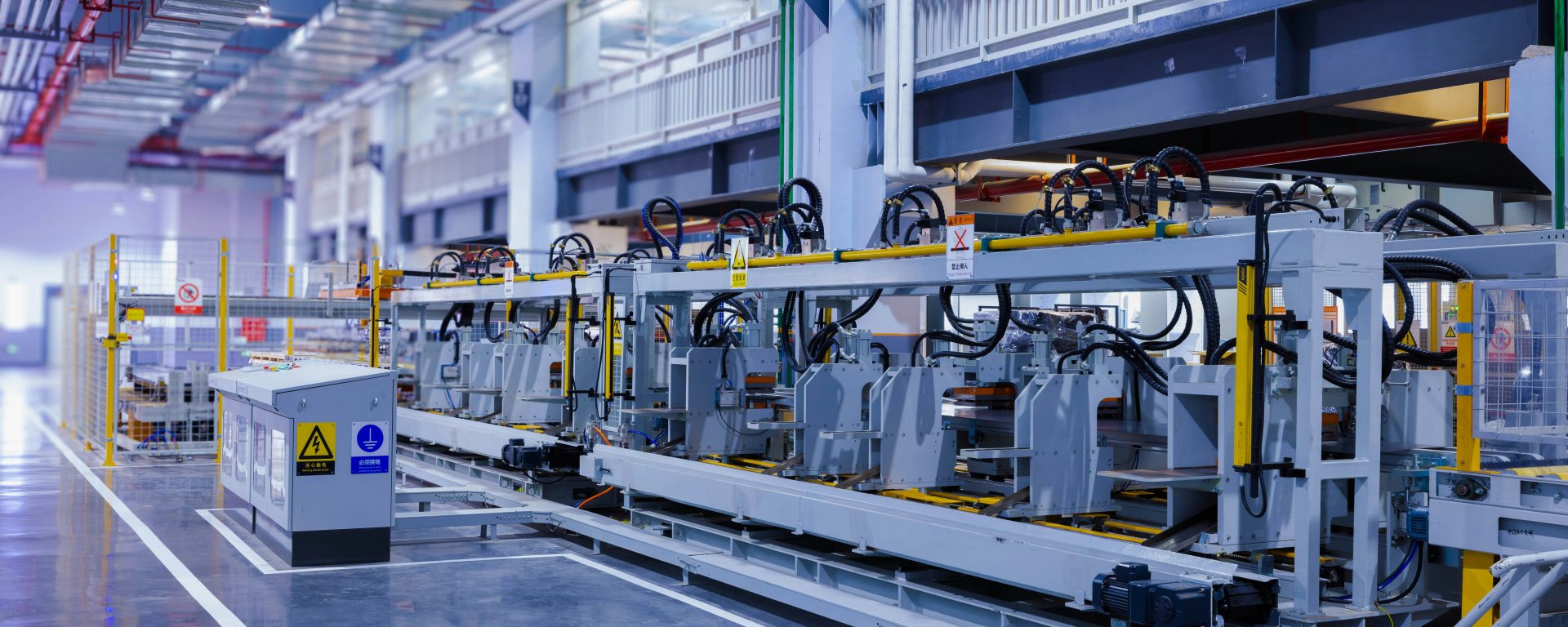
Aseptic Processing Plants Manufacturing Insurance: Complete Guide
Introduction
Aseptic processing plants represent some of the most sophisticated manufacturing facilities in the pharmaceutical, biotechnology, and food and beverage industries. These highly controlled environments require specialized insurance coverage that addresses their unique operational risks, regulatory requirements, and potential exposures. Understanding the insurance landscape for aseptic processing facilities is essential for protecting your investment, ensuring business continuity, and maintaining compliance with industry standards.
What is Aseptic Processing?
Aseptic processing involves manufacturing products in a sterile environment to prevent contamination by microorganisms. This technique is crucial for producing sterile pharmaceuticals, biologics, medical devices, and certain food products that cannot undergo terminal sterilization. The process requires sophisticated cleanroom technology, highly trained personnel, validated procedures, and continuous environmental monitoring.
The complexity and critical nature of aseptic processing create specific insurance needs that standard manufacturing policies often fail to address adequately.
Key Insurance Risks for Aseptic Processing Plants
Contamination and Product Recall
Contamination events represent the most significant risk for aseptic processing facilities. Even minor breaches in sterility can necessitate product recalls affecting multiple batches, resulting in substantial financial losses. Insurance must cover not only the direct costs of recalled products but also investigation expenses, regulatory fines, customer notification, product destruction, and reputational damage.
Equipment Breakdown and Business Interruption
Aseptic processing relies on specialized equipment including autoclaves, lyophilizers, filling lines, HVAC systems, and environmental monitoring systems. Equipment failure can halt production entirely, and the specialized nature of this machinery often means extended repair or replacement times. Business interruption coverage must account for the lengthy validation periods required before resuming production after equipment repairs.
Regulatory Compliance and Penalties
Aseptic processing plants operate under stringent regulatory oversight from agencies such as the MHRA, FDA, and EMA. Non-compliance can result in warning letters, consent decrees, production shutdowns, and significant financial penalties. Insurance should provide coverage for regulatory defense costs and certain penalties where legally permissible.
Professional Liability and Product Liability
Manufacturing defects or contamination incidents can lead to patient harm, triggering product liability claims. Professional liability coverage is essential for errors in formulation, processing, or quality control that result in defective products reaching the market.
Cyber Security Threats
Modern aseptic processing facilities rely heavily on computerized systems for environmental monitoring, batch records, quality management, and process control. Cyber attacks can compromise product integrity, steal proprietary formulations, disrupt production, or manipulate critical data. Comprehensive cyber insurance has become essential for these facilities.
Property Damage and Fire Risk
Despite stringent safety protocols, aseptic facilities face property damage risks from fire, explosion, natural disasters, and utility failures. The specialized nature of cleanroom construction and equipment means replacement costs significantly exceed standard manufacturing facilities.
Essential Insurance Coverage Types
Commercial Combined Insurance
A robust commercial combined policy forms the foundation of insurance protection for aseptic processing plants. This should include:
Property Insurance covering buildings, cleanroom infrastructure, specialized equipment, raw materials, work in progress, and finished goods. Valuation should reflect replacement cost for specialized cleanroom construction and equipment.
Business Interruption Insurance providing coverage for lost profits and continuing expenses during production shutdowns. For aseptic facilities, this must account for extended validation periods and the time required to re-establish sterile conditions.
Public Liability Insurance protecting against third-party injury or property damage claims arising from facility operations.
Employers Liability Insurance covering employee injury or illness claims, which is particularly important given the specialized nature of work in aseptic environments.
Product Liability and Product Recall Insurance
Dedicated product liability coverage is essential for aseptic processing plants, addressing claims arising from contaminated or defective products. This should include:
-
Coverage for bodily injury and property damage caused by products
-
Defense costs for product liability claims
-
Product recall expenses including investigation, notification, retrieval, and disposal
-
Crisis management and public relations support
-
Loss of profit during recall periods
Professional Indemnity Insurance
Professional indemnity coverage protects against claims arising from professional errors, negligence, or omissions in:
-
Formulation development
-
Process design and validation
-
Quality control and assurance
-
Regulatory submissions
-
Technical consulting services
This coverage is particularly important for contract manufacturing organizations providing services to multiple clients.
Cyber Insurance
Comprehensive cyber insurance for aseptic processing facilities should cover:
-
Data breach response and notification costs
-
Business interruption from cyber incidents
-
Cyber extortion and ransomware
-
System restoration and data recovery
-
Regulatory fines and penalties
-
Third-party liability for compromised data
-
Media liability and reputation management
Equipment Breakdown Insurance
Specialized equipment breakdown coverage addresses the unique needs of aseptic processing equipment:
-
Sudden and unforeseen mechanical or electrical breakdown
-
Boiler and pressure vessel coverage
-
HVAC system failures affecting cleanroom classification
-
Validation and re-qualification costs after repairs
-
Expediting expenses for emergency equipment replacement
-
Spoilage of materials due to equipment failure
Environmental Liability Insurance
Environmental coverage protects against pollution incidents, chemical spills, waste disposal issues, and contamination of surrounding areas. This is particularly relevant for facilities handling hazardous materials or generating regulated waste streams.
Factors Affecting Insurance Premiums
Facility Design and Classification
Cleanroom classification (ISO Class 5-8), facility layout, and contamination control strategies significantly impact insurance costs. Facilities with superior design, redundant systems, and validated procedures typically qualify for better premium rates.
Quality Management Systems
Robust quality management systems including comprehensive standard operating procedures, change control, deviation management, and continuous improvement programs demonstrate risk management commitment and can reduce premiums.
Regulatory Compliance History
A clean regulatory inspection history with no warning letters, consent decrees, or significant observations indicates strong operational control and positively influences insurance costs.
Claims History
Previous contamination events, product recalls, or regulatory actions increase perceived risk and result in higher premiums. Conversely, a clean claims history demonstrates effective risk management.
Risk Mitigation Measures
Implementation of advanced contamination control technologies, environmental monitoring systems, personnel training programs, and preventive maintenance schedules can reduce insurance costs.
Production Volume and Product Types
Higher production volumes and manufacturing of high-risk products such as injectable biologics or live vaccines increase potential exposure and affect premium calculations.
Selecting the Right Insurance Provider
Industry Specialization
Choose insurers with specific experience in pharmaceutical manufacturing and aseptic processing. These providers understand the unique risks, regulatory environment, and operational challenges of aseptic facilities.
Coverage Comprehensiveness
Evaluate policies carefully for exclusions, sub-limits, and coverage gaps. Aseptic processing requires tailored coverage that standard manufacturing policies may not provide.
Claims Handling Expertise
Assess the insurer's track record in handling complex manufacturing claims, particularly contamination events and product recalls. Efficient claims handling is crucial for minimizing business disruption.
Risk Management Support
Leading insurers offer risk management services including facility assessments, contamination control reviews, and loss prevention guidance. These services add significant value beyond basic coverage.
Financial Strength
Select insurers with strong financial ratings capable of handling large, complex claims. Aseptic processing incidents can result in substantial losses requiring significant insurer resources.
Risk Management Best Practices
Contamination Control Strategy
Implement comprehensive contamination control including environmental monitoring, personnel gowning procedures, material transfer protocols, and cleaning validation. Document all procedures and maintain detailed records.
Preventive Maintenance Programs
Establish rigorous preventive maintenance schedules for all critical equipment including HVAC systems, filling lines, autoclaves, and environmental monitoring systems. Document all maintenance activities.
Personnel Training
Invest in comprehensive training programs covering aseptic technique, gowning procedures, contamination control, and emergency response. Regular competency assessments ensure ongoing compliance.
Process Validation and Monitoring
Maintain current process validations and implement continuous process verification. Regular review and revalidation demonstrate control and reduce contamination risk.
Business Continuity Planning
Develop comprehensive business continuity plans addressing equipment failure, contamination events, utility disruptions, and supply chain interruptions. Regular testing ensures plan effectiveness.
Cyber Security Measures
Implement robust cyber security including network segmentation, access controls, data encryption, regular security assessments, and incident response plans.
Regulatory Considerations
MHRA Compliance
UK aseptic processing facilities must comply with MHRA requirements including Annex 1 guidelines for sterile manufacturing. Insurance should address potential regulatory actions and compliance costs.
GMP Requirements
Good Manufacturing Practice compliance is fundamental for aseptic processing. Insurance providers evaluate GMP compliance when assessing risk and determining premiums.
Data Integrity
Regulatory focus on data integrity requires robust systems for electronic records and signatures. Insurance should cover costs associated with data integrity investigations and remediation.
The Claims Process
Immediate Response
Following an incident, immediately notify your insurance provider and implement your emergency response plan. Preserve evidence and document all actions taken.
Investigation and Assessment
Work with your insurer to conduct thorough investigation of the incident, assess the extent of contamination or damage, and determine the scope of potential recalls or production interruptions.
Regulatory Notification
Coordinate with your insurer regarding regulatory notifications and communications. Many policies provide support for regulatory interactions following incidents.
Recovery and Remediation
Insurance should cover costs of facility remediation, equipment repair or replacement, revalidation, and resumption of production. Ensure all costs are properly documented for claims submission.
Conclusion
Aseptic processing plants require sophisticated insurance programs that address their unique operational risks, regulatory environment, and potential exposures. Comprehensive coverage including commercial combined, product liability, professional indemnity, cyber, and equipment breakdown insurance provides essential protection for these critical manufacturing facilities.
Working with specialized insurance providers who understand aseptic processing enables you to obtain appropriate coverage, implement effective risk management strategies, and ensure business continuity in the face of potential incidents. Regular policy reviews, ongoing risk assessment, and continuous improvement in contamination control and quality management help optimize insurance costs while maintaining robust protection.
For expert guidance on insurance solutions tailored to your aseptic processing facility, contact Insure24 at 0330 127 2333 or visit www.insure24.co.uk to discuss your specific requirements with our specialized team.


 My Account