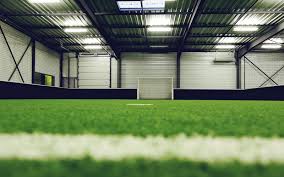
American Football Fields Sports Facility Insurance: Complete Guide
Introduction
American football fields represent significant investments for schools, universities, municipalities, and private sports organizations. Whether you operate a high school stadium, a college football complex, or a community sports facility, protecting your investment with comprehensive sports facility insurance is essential. From weather damage and liability claims to equipment theft and business interruption, American football field facilities face unique risks that require specialized insurance coverage.
This guide explores the critical insurance considerations for American football field operators, helping you understand the coverage options available and how to protect your facility, staff, visitors, and financial interests.
Understanding American Football Field Insurance
Sports facility insurance for American football fields is a specialized form of commercial insurance designed to protect against the unique risks associated with operating outdoor and indoor sports venues. Unlike standard commercial property insurance, sports facility coverage accounts for the specific challenges of maintaining playing surfaces, spectator areas, equipment, and the liability exposures inherent in contact sports.
Key Components of Coverage
A comprehensive insurance program for American football facilities typically includes multiple layers of protection. Property insurance covers the physical structures including stadiums, field houses, press boxes, concession stands, and locker rooms. Liability coverage protects against claims from injuries to players, spectators, and staff. Equipment insurance safeguards valuable items such as scoreboards, lighting systems, maintenance equipment, and training gear.
Business interruption coverage ensures financial stability when events must be canceled due to covered perils, while specialized endorsements can address unique exposures like artificial turf damage, irrigation system failures, or event cancellation losses.
Property Insurance for Football Facilities
Stadium and Structure Coverage
The physical infrastructure of American football facilities represents substantial capital investment. Stadium seating, press boxes, luxury suites, and field houses require adequate property insurance to rebuild or repair following damage from fire, wind, hail, or other covered perils.
Property coverage should reflect replacement cost rather than actual cash value to ensure you can fully restore facilities without depreciation deductions. Consider the cost of modern building codes and ADA compliance requirements when determining coverage limits, as reconstruction often requires upgrades beyond the original specifications.
Field Surface Protection
Whether your facility features natural grass or artificial turf, the playing surface itself requires specific insurance consideration. Natural grass fields face risks from weather events, pest damage, and irrigation system failures. Artificial turf installations represent significant investments that can be damaged by fire, vandalism, or extreme weather.
Specialized coverage for field surfaces should account for the full replacement cost including removal of damaged materials, ground preparation, installation, and line marking. Some policies offer coverage for loss of use during the replacement period, compensating for canceled games and events.
Lighting and Scoreboard Systems
Modern football facilities depend on sophisticated lighting systems and electronic scoreboards. These high-value assets are vulnerable to lightning strikes, electrical surges, wind damage, and equipment failure. Dedicated equipment breakdown coverage protects against mechanical and electrical failures that standard property policies might exclude.
Consider agreed value coverage for specialized equipment to avoid disputes over replacement costs. Document equipment specifications, installation dates, and maintenance records to support claims and demonstrate proper care.
Liability Insurance Essentials
General Liability Coverage
General liability insurance forms the foundation of protection for American football facilities. This coverage responds to claims for bodily injury or property damage suffered by third parties on your premises. Spectators who trip on stairs, visitors injured in parking areas, or vendors who suffer accidents while working at your facility all represent potential liability exposures.
Coverage limits should reflect your facility's capacity, event frequency, and local litigation environment. Facilities hosting high-profile games or large crowds typically require higher limits, often ranging from £2 million to £10 million or more in aggregate coverage.
Participant Liability
While players typically assume certain risks inherent in football, facility operators still face liability exposure for unsafe conditions, inadequate equipment, or negligent supervision. Participant liability coverage addresses claims arising from player injuries related to facility conditions rather than normal gameplay.
This coverage becomes particularly important for facilities that rent to youth leagues, amateur teams, or training programs. Clear waivers and assumption of risk agreements complement but do not replace adequate liability insurance.
Spectator Safety and Premises Liability
Spectator injuries represent a significant liability exposure for football facilities. Crowded conditions, stairs, concession areas, and parking lots all create opportunities for accidents. Premises liability coverage protects against claims arising from slip and fall accidents, inadequate security, crowd control failures, or structural failures.
Facilities should implement comprehensive safety programs including regular inspections, proper signage, adequate lighting, and trained security personnel. Insurance underwriters often offer premium discounts for documented safety initiatives and risk management programs.
Specialized Coverage Considerations
Weather-Related Risks
Outdoor American football facilities face substantial weather-related exposures. Wind damage to structures, hail damage to artificial turf, flooding of underground facilities, and lightning strikes to electrical systems all represent common claims. Comprehensive property insurance should include coverage for these perils without excessive deductibles that could create financial hardship.
Consider the increasing frequency of severe weather events when selecting coverage limits and deductibles. Some insurers offer parametric weather insurance that pays predetermined amounts when specific weather conditions occur, providing rapid claim payment without traditional adjustment processes.
Event Cancellation Insurance
Game day revenues from ticket sales, concessions, parking, and merchandise represent critical income for many facilities. Event cancellation insurance protects this revenue when games must be postponed or canceled due to covered perils such as severe weather, power outages, or facility damage.
This coverage typically requires advance purchase and clear documentation of anticipated revenues. Policies may include coverage for extra expenses incurred to reschedule events or relocate games to alternative venues.
Cyber Liability and Data Protection
Modern sports facilities increasingly rely on digital systems for ticketing, access control, payment processing, and facility management. Cyber liability insurance protects against data breaches, ransomware attacks, and system failures that could compromise personal information or disrupt operations.
Coverage should include both first-party costs such as system restoration and notification expenses, and third-party liability for claims arising from compromised data. Facilities processing credit card information face particular exposure and may require cyber insurance to comply with payment card industry standards.
Equipment and Contents Insurance
Maintenance Equipment
Football field maintenance requires specialized equipment including mowers, line markers, aerators, and irrigation systems. This equipment represents significant investment and requires dedicated coverage. Equipment breakdown insurance protects against mechanical failures, while property coverage addresses theft, fire, and weather damage.
Maintain detailed equipment inventories including purchase dates, serial numbers, and replacement costs. Regular maintenance records support claims and may qualify for premium discounts.
Training and Athletic Equipment
Facilities that provide training equipment, weight rooms, or athletic training facilities need coverage for these assets. Weights, training machines, rehabilitation equipment, and athletic training supplies all require protection against theft, damage, and liability claims arising from equipment failures.
Professional liability coverage for athletic trainers and medical staff complements equipment insurance, protecting against claims of negligent treatment or inadequate care.
Concession and Hospitality Equipment
Concession stands, press boxes, and hospitality suites contain valuable equipment including refrigeration units, cooking equipment, point-of-sale systems, and furniture. This equipment faces unique risks from food-related fires, equipment breakdown, and theft during off-season periods.
Specialized coverage for food service operations should include spoilage coverage for refrigerated inventory and equipment breakdown protection for critical refrigeration and cooking systems.
Business Interruption Protection
Revenue Loss Coverage
Business interruption insurance compensates for lost income when facility damage forces closure or cancellation of events. This coverage calculates losses based on historical revenues and projected income, providing funds to maintain operations during restoration periods.
Coverage should extend beyond direct property damage to include losses from utility failures, access denial by civil authorities, and dependent property damage. Extended period of indemnity endorsements provide coverage beyond the physical restoration period to account for the time needed to rebuild attendance and revenue levels.
Extra Expense Coverage
Even when facilities remain partially operational, covered events may trigger additional expenses. Extra expense coverage reimburses costs for temporary facilities, equipment rentals, expedited repairs, and increased marketing to maintain operations and minimize revenue losses.
This coverage proves particularly valuable for facilities with contractual obligations to host scheduled events, allowing operators to fulfill commitments despite facility damage.
Risk Management and Loss Prevention
Safety Programs and Inspections
Implementing comprehensive safety programs reduces both accident frequency and insurance costs. Regular facility inspections, documented maintenance schedules, staff training programs, and emergency response plans all demonstrate commitment to risk management.
Many insurers offer premium discounts for certified safety programs and documented loss prevention initiatives. Consider engaging professional risk management consultants to identify exposures and implement best practices.
Contractual Risk Transfer
Carefully drafted contracts with vendors, renters, and event organizers transfer certain risks away from facility operators. Require certificate of insurance from all contractors and event organizers, naming your facility as additional insured on their liability policies.
Hold harmless and indemnification clauses provide additional protection, though these contractual provisions complement rather than replace adequate insurance coverage.
Selecting the Right Insurance Provider
Industry Specialization
Choose insurance providers with demonstrated experience in sports facility coverage. Specialized insurers understand the unique exposures of American football facilities and offer tailored coverage options that generic commercial policies may exclude.
Review insurer financial ratings, claims handling reputation, and loss control services when selecting providers. The cheapest premium rarely provides the best value if claims service proves inadequate or coverage gaps emerge after losses occur.
Coverage Customization
Work with experienced insurance brokers who can structure programs addressing your facility's specific exposures. Multi-location operators may benefit from blanket coverage, while seasonal facilities might negotiate seasonal rating adjustments.
Consider package policies that bundle property, liability, and specialized coverages under unified programs, often providing broader coverage and lower premiums than separately purchased policies.
Compliance and Regulatory Requirements
Local Authority Requirements
Many municipalities require specific insurance coverage for facilities operating on public land or receiving public funding. Verify local requirements for liability limits, additional insured endorsements, and certificate of insurance filing.
Facilities hosting scholastic events may face requirements from athletic associations or governing bodies. Review all contractual and regulatory insurance requirements annually to ensure continued compliance.
Contractual Insurance Obligations
Lease agreements, financing arrangements, and event contracts often mandate specific insurance coverage. Carefully review all contractual insurance requirements and ensure your program meets or exceeds these obligations.
Maintain organized records of insurance certificates, policy declarations, and endorsements to demonstrate compliance when required by landlords, lenders, or event organizers.
Claims Management Best Practices
Incident Documentation
Prompt and thorough incident documentation supports successful claims resolution. Implement standardized incident report forms, photograph damage immediately, preserve evidence, and gather witness statements while memories remain fresh.
Notify insurers promptly of all potential claims, even when ultimate liability remains uncertain. Most policies require timely notice, and delayed reporting can jeopardize coverage.
Working with Adjusters
Cooperate fully with insurance adjusters while protecting your interests. Provide requested documentation promptly, but consider engaging public adjusters or legal counsel for complex or high-value claims.
Document all claim-related expenses including temporary repairs, additional staff time, and professional fees. These costs may be recoverable under policy provisions for claims expenses or extra expense coverage.
Conclusion
Comprehensive insurance protection for American football field facilities requires careful consideration of unique exposures and specialized coverage options. From property damage and liability claims to business interruption and cyber risks, facility operators face diverse threats that demand tailored insurance solutions.
Working with experienced insurance professionals who understand sports facility operations ensures adequate protection for your physical assets, financial interests, and legal obligations. Regular policy reviews, proactive risk management, and thorough claims documentation maximize the value of your insurance investment while protecting your facility's long-term viability.
Whether you operate a small community field or a major stadium complex, investing in appropriate insurance coverage protects against catastrophic losses and provides peace of mind for facility operators, staff, and the communities you serve.
Meta Description: Comprehensive guide to American football fields sports facility insurance covering property protection, liability coverage, equipment insurance, business interruption, risk management, and specialized coverage for stadium operators and sports venues.


 My Account