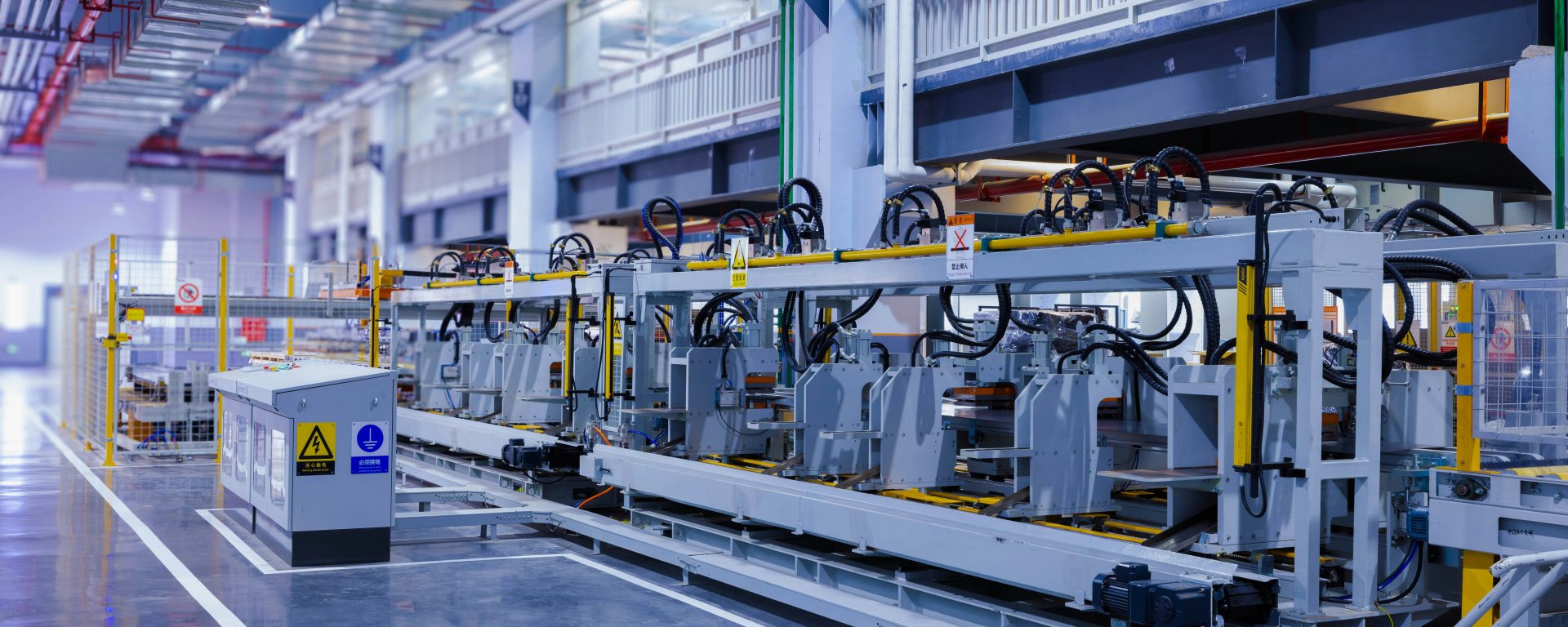
AI-Integrated Production Systems in Manufacturing: What Changes (and What to Insure)
AI-integrated production systems are moving from “future roadmap” to day-to-day reality across UK manufacturing. From computer vision quality checks on the line to predictive maintenance models that schedule repairs before a breakdown happens, AI is increasingly woven into the way products are designed, built, tested, packaged and shipped.
For manufacturers, the upside is obvious: fewer defects, less downtime, better throughput, and more consistent quality. But insurance is often an afterthought—until something goes wrong.
The challenge is that AI doesn’t just improve production; it changes the risk profile of the entire operation. It can reduce some traditional risks (like random mechanical failure) while increasing others (like cyber exposure, software errors, data integrity issues, and complex liability questions when automated decisions contribute to a loss).
This guide explains what AI-integrated production systems are, the real-world risks they introduce, and the types of manufacturing insurance that should be reviewed when AI becomes part of your production environment.
What is an AI-integrated production system?
An AI-integrated production system is any manufacturing setup where AI models influence or automate production decisions. It usually sits alongside (or inside) your existing operational technology (OT) and industrial control systems (ICS), such as PLCs, SCADA, MES, ERP, robotics controllers and sensor networks.
Common examples include:
- Computer vision inspection to detect defects, contamination, missing components or dimensional issues.
- Predictive maintenance models that forecast failures in bearings, motors, pumps, compressors or CNC machines.
- Process optimisation to adjust parameters (temperature, pressure, speed, feed rate) to improve yield and reduce scrap.
- Robotics and cobots guided by AI for picking, sorting, assembly or packaging.
- Demand and production planning using AI forecasts to reduce stockouts and overproduction.
- Energy optimisation to lower electricity/gas usage and peak demand charges.
These systems can be built in-house, integrated by a specialist, or delivered as vendor solutions. Either way, they create dependencies on software, data, connectivity and third-party support that weren’t as critical in traditional production environments.
Why AI changes manufacturing risk (even if nothing “breaks”)
Traditional manufacturing risk is often tangible: a machine fails, a fire starts, a worker is injured, a batch is contaminated, a lorry crashes. AI introduces a different class of risk: intangible failures that still cause tangible losses.
For example:
- A model misclassifies defects and lets faulty products ship—leading to a recall and liability claims.
- A software update changes how the line behaves and causes a run of off-spec production.
- A cyber incident disrupts OT systems and stops production for days.
- Bad sensor data leads to incorrect process adjustments, damaging equipment or product.
- A third-party vendor outage prevents your AI tools from running, slowing or halting operations.
From an insurance perspective, the key question becomes: what fails, what does it cost, and which policy responds?
Key risks with AI-integrated production systems
1) Cyber and OT disruption risk
As AI tools connect to production systems, the “attack surface” often grows. Manufacturers may add remote monitoring, cloud dashboards, vendor access, API connections, and new endpoints on the network. Even if your AI system is not cloud-based, it often relies on networked data flows.
Cyber incidents in manufacturing frequently lead to:
- Business interruption (production stops, orders delayed, penalties triggered).
- Data loss (recipes, production parameters, QA records, supplier/customer data).
- Ransomware affecting IT and/or OT environments.
- Safety incidents if systems behave unpredictably or controls are lost.
Many manufacturers assume their property policy will cover downtime. Often, it won’t—especially if there’s no physical damage trigger. This is where cyber insurance and careful structuring of business interruption cover matters.
2) Software error and “silent failure” risk
AI failures aren’t always dramatic. Sometimes the system continues running, but it’s making slightly wrong decisions—creating scrap, rework, warranty issues, or quality drift that’s only noticed later.
Common causes include:
- Model drift (the real world changes: new materials, new suppliers, new product variants).
- Training data issues (biased, incomplete, or incorrectly labelled data).
- Sensor calibration errors feeding bad inputs into the model.
- Integration mistakes between AI tools and PLC/MES/ERP systems.
- Updates and patches that alter behaviour unexpectedly.
These issues can create losses that look like operational mistakes, but they may involve liability to customers or third parties—especially where product performance or safety is affected.
3) Product liability and recall exposure
If AI contributes to a defect escaping detection, the result can be expensive: returns, repairs, replacement stock, customer downtime, and reputational damage. In regulated manufacturing (including medical devices, automotive components, aerospace, food contact materials, and safety-critical products), the consequences can escalate quickly.
AI can also change how liability is argued. Questions may include:
- Was the defect caused by manufacturing error, design error, or software decision-making?
- Was the AI system validated and monitored appropriately?
- Did the manufacturer rely on a third-party AI vendor’s assurances?
- Were QA and traceability records sufficient to limit the recall scope?
This is why manufacturers using AI should review product liability and consider whether product recall cover is appropriate for their sector.
4) Machinery breakdown and equipment damage
AI-driven optimisation can push equipment harder—higher utilisation, tighter tolerances, less slack. That can be good for output, but it can also increase wear if not managed carefully.
There’s also a scenario where AI-driven control changes (or incorrect parameters) cause physical damage—overheating, pressure excursions, collisions in robotic cells, or tool crashes in CNC environments.
Machinery breakdown (also called engineering insurance) can be critical here, particularly where a single piece of equipment is a bottleneck and downtime is expensive.
5) Business interruption and contingent dependencies
AI systems often create new dependencies:
- Cloud platforms or hosted services
- Third-party data feeds
- Specialist integrators
- Remote vendor support
- Single-source sensors or hardware
When those dependencies fail, production can slow or stop. The tricky part is that the trigger may not be “insured damage” at your premises. Manufacturers should review how their business interruption is structured and whether they need options like:
- Non-damage business interruption (where available)
- Cyber business interruption
- Contingent business interruption (supplier/customer dependencies)
6) Employers’ liability and workplace safety
Robotics, automated guided vehicles (AGVs), and AI-assisted processes can improve safety—but they can also introduce new hazards, especially during maintenance, changeovers, or when humans work alongside automated systems.
From an insurance standpoint, employers’ liability remains essential, but risk management becomes more technical: lockout/tagout processes, training, guarding, safe systems of work, and clear responsibility for AI system changes.
7) Professional indemnity and technology liability (for certain manufacturers)
If you manufacture products that include software, firmware, or AI-enabled functionality—or if you provide design, integration, or consultancy services alongside manufacturing—you may have exposure that looks like a professional services risk.
In those cases, professional indemnity (and sometimes specialist tech PI) can be relevant, particularly where a client alleges financial loss due to faulty advice, specification, or system performance.
Which insurance policies should manufacturers review when adopting AI?
There isn’t a single “AI insurance policy” that solves everything. In practice, AI adoption should trigger a review of your existing programme to ensure it still matches how you operate.
Commercial combined / property damage
Your property policy typically covers physical assets (buildings, plant, stock) and may include business interruption where there is insured physical damage. With AI-integrated systems, check:
- Declared values for machinery and upgraded equipment
- Any new high-value robotics cells or automation lines
- Fire protection and electrical risks (especially with increased power loads)
- Business interruption indemnity period (is it long enough to replace specialist equipment?)
Machinery breakdown (engineering)
This can cover sudden and unforeseen breakdown of plant and machinery, often including associated damage and sometimes deterioration of stock. For AI-enabled lines, it’s worth checking:
- Critical equipment is listed/covered
- Downtime exposure is reflected in BI sums insured
- Maintenance and inspection requirements are met
Cyber insurance
Cyber is increasingly relevant for manufacturers—especially where AI systems connect IT and OT. A good cyber policy may help with:
- Incident response and forensic support
- Ransomware events
- Data restoration
- Cyber business interruption
- Third-party liability and regulatory costs (where applicable)
It’s important to be clear about what systems you run, where data is stored, and whether OT is included in the cyber scope.
Public and product liability
Product liability is the big one when AI affects quality control or process parameters. Review:
- Territories (UK only vs exports)
- Contractual liability assumptions
- Design and specification responsibilities
- Whether any exclusions could apply to software/tech-related issues
Product recall / contamination (sector dependent)
Not every manufacturer needs recall cover, but if a recall would be financially severe—or if you supply safety-critical components—it’s worth discussing. Recall policies can help with costs like notification, logistics, disposal, and sometimes replacement and rehabilitation.
Directors’ and officers’ (D&O) liability
AI projects can be large investments. If a major AI implementation fails and triggers significant financial loss, allegations can sometimes be aimed at management decisions, governance, or disclosure. D&O isn’t always top of mind for manufacturers, but it can be relevant as businesses modernise and take on more tech-driven risk.
Risk management: what insurers and underwriters will want to see
Insurance works best when it’s paired with sensible controls. When AI is part of production, underwriters may ask about:
- Network segregation between IT and OT, and controlled remote access
- Backups (including offline/immutable backups) and tested restoration
- Patch management and change control for production systems
- Model governance: validation, monitoring, drift detection, retraining cycles
- Traceability: batch records, QA logs, audit trails
- Supplier and vendor management: contracts, SLAs, incident responsibilities
- Business continuity planning: how you run manually or degrade safely
Even simple documentation—like a clear diagram of systems, a list of critical dependencies, and a change approval process—can make a meaningful difference when arranging cover.
Common insurance gaps to watch for
When AI is introduced, manufacturers can accidentally create gaps such as:
- Downtime without physical damage not covered under traditional BI
- Cyber exclusions in property policies (varies by insurer and wording)
- Unclear responsibility between manufacturer and AI vendor/integrator
- Under-declared sums insured after automation upgrades
- Product liability limits that don’t reflect worst-case recall or downstream losses
The fix is usually not “buy everything”. It’s making sure the cover you do buy matches how your production actually works now.
Practical steps: how to review your insurance after adding AI
- Map the AI touchpoints: where does AI influence decisions (QA, maintenance, process control, planning)?
- List critical dependencies: cloud services, vendors, remote access, sensors, single points of failure.
- Quantify downtime cost: what does one day of outage cost in gross profit, penalties and recovery expenses?
- Review contracts: what warranties/indemnities have you agreed with customers and vendors?
- Check policy triggers: what counts as an insured event for BI, and does cyber BI apply?
- Update declared values: new robotics, upgraded lines, higher stock values, higher throughput.
- Document governance: change control, validation, QA traceability, and incident response.
This approach makes insurance discussions faster, clearer, and more likely to result in cover that responds when you need it.
Final thought: AI can reduce risk—if it’s insured properly
AI-integrated production systems can be a genuine advantage for UK manufacturers. But the same connectivity and automation that improves efficiency can also create new loss scenarios—especially around cyber disruption, quality escape, and complex liability.
The best time to review insurance is before an incident—while you can still shape the programme around your real operational risks.
If you’re integrating AI into your production environment and want to sense-check your cover—from machinery breakdown and business interruption to cyber and product liability—speak to a broker who understands both manufacturing risk and technology-driven exposures.
Call to action
Need manufacturing insurance that keeps up with automation and AI?
We help UK manufacturers review cover for AI-integrated production systems—so you’re protected against downtime, cyber disruption, equipment breakdown, and product liability.
Call: 0330 127 2333
Or request a quote: https://www.insure24.co.uk/


 My Account