Advanced Driver Assistance Systems (ADAS) Manufacturing Insurance: Comprehensive Coverage for Cameras, Radar Systems, and Lidar Production
Introduction to ADAS Manufacturing Insurance
The automotive industry stands at the precipice of a technological revolution, with Advanced Driver Assistance Systems (ADAS) leading the charge toward fully autonomous vehicles. As manufacturers of cameras, radar systems, and lidar technology push the boundaries of innovation, they face unprecedented risks that traditional insurance policies simply cannot address. ADAS manufacturing insurance has emerged as a critical safeguard for businesses operating in this high-stakes sector, where a single component failure could have catastrophic consequences.
The global ADAS market is projected to reach unprecedented heights, with manufacturers racing to develop increasingly sophisticated sensor technologies. However, this rapid growth brings complex challenges: product liability concerns, cyber vulnerabilities, intellectual property theft, and supply chain disruptions. For companies producing the cameras that serve as the "eyes" of autonomous vehicles, the radar systems that detect obstacles in all weather conditions, or the lidar units that create precise 3D maps of surroundings, comprehensive insurance coverage is not optional—it is essential for survival.
Understanding the ADAS Manufacturing Landscape
The Critical Role of ADAS Components
ADAS technology encompasses a sophisticated array of sensors and systems that work in concert to enhance vehicle safety and enable autonomous driving capabilities. Camera systems provide visual recognition for lane departure warnings, traffic sign recognition, and pedestrian detection. Radar systems offer all-weather object detection and adaptive cruise control functionality. Lidar technology delivers high-resolution 3D mapping essential for autonomous navigation.
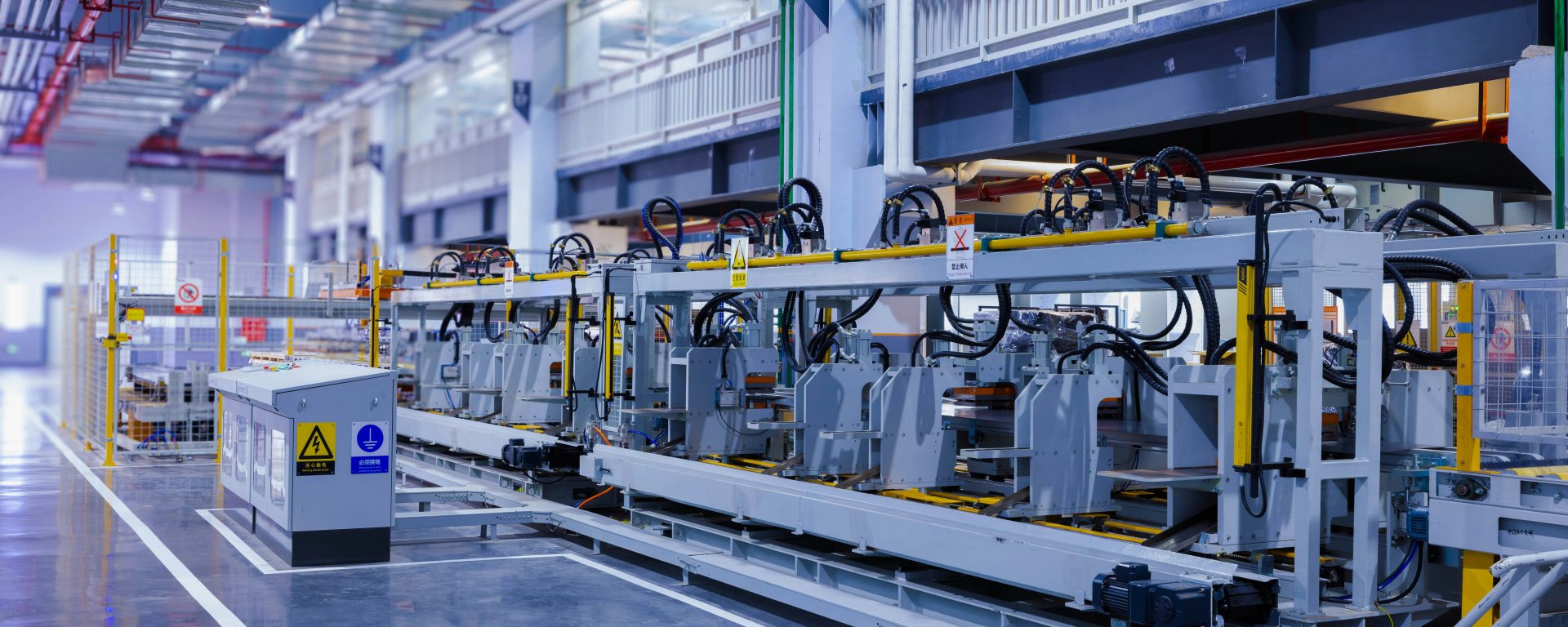
Manufacturers in this sector operate under intense pressure to deliver components that meet exacting specifications while remaining cost-effective for automotive OEMs. The production environment involves precision manufacturing, cleanroom facilities, advanced calibration equipment, and rigorous quality control processes. Each stage of production introduces potential risks that require specialized insurance protection.
Unique Risks Facing ADAS Manufacturers
The risks confronting ADAS manufacturers differ significantly from traditional automotive component producers. Product liability exposure is magnified exponentially when your components directly influence vehicle safety decisions. A faulty camera that fails to detect a pedestrian or a radar system that misidentifies obstacles could result in catastrophic accidents, triggering massive liability claims and reputational damage.
Intellectual property represents another critical vulnerability. ADAS technology involves proprietary algorithms, sensor fusion techniques, and manufacturing processes that competitors would pay dearly to obtain. Cyber threats targeting your research data or production systems could compromise years of development work and millions in investment.
Supply chain complexity adds further risk layers. ADAS components require specialized materials, precision optics, and advanced semiconductors often sourced globally. Disruptions anywhere in this chain can halt production, breach delivery contracts, and damage customer relationships.
Essential Insurance Coverage for ADAS Manufacturers
Product Liability Insurance
Product liability insurance forms the cornerstone of protection for ADAS manufacturers. This coverage addresses claims arising from defective products that cause injury, death, or property damage. For ADAS components, the liability exposure extends beyond the immediate purchaser to encompass every vehicle occupant and road user potentially affected by component failure.
Comprehensive product liability policies should include coverage for design defects, manufacturing defects, and failure to warn. Design defect claims allege that the fundamental design of your camera, radar, or lidar system is inherently unsafe. Manufacturing defect claims arise when production errors create dangerous variations from intended specifications. Failure to warn claims assert inadequate instructions or warnings about proper use and limitations.
The policy should provide defense costs separate from liability limits, as legal expenses in complex ADAS litigation can reach millions before trial. Coverage should extend globally, reflecting the international nature of automotive supply chains. Retroactive dates should be carefully negotiated to ensure coverage for products manufactured before policy inception but still in service.
Professional Indemnity Insurance
Professional indemnity insurance protects ADAS manufacturers against claims arising from professional advice, design services, and technical recommendations provided to automotive clients. As manufacturers increasingly partner with OEMs in co-development arrangements, the line between product supply and professional services blurs.
This coverage addresses allegations of negligent design, inadequate testing protocols, incorrect specifications, or faulty technical guidance that leads to financial losses for clients. When your engineering team advises an automotive manufacturer on sensor placement, calibration procedures, or system integration, professional indemnity insurance provides essential protection.
Coverage should include intellectual property infringement defense, addressing claims that your designs violate third-party patents or copyrights. The policy should cover both contractual liability and tort liability, ensuring protection regardless of how claims are framed legally.
Cyber Insurance for ADAS Manufacturers
Cyber insurance has become indispensable for ADAS manufacturers facing sophisticated digital threats. Your production systems, design databases, and quality control networks represent prime targets for industrial espionage, ransomware attacks, and sabotage.
Comprehensive cyber policies should address first-party losses including business interruption from system downtime, costs to restore compromised data, forensic investigation expenses, and ransom payments when appropriate. Third-party coverage should include liability for data breaches affecting customer information, regulatory fines under data protection legislation, and costs associated with notifying affected parties.
For ADAS manufacturers, cyber insurance should specifically address risks associated with connected manufacturing systems, cloud-based design platforms, and electronic data interchange with automotive clients. Coverage for intellectual property theft provides crucial protection for proprietary algorithms and manufacturing processes that represent your competitive advantage.
Commercial Property Insurance
Commercial property insurance protects the physical assets essential to ADAS manufacturing operations. Cleanroom facilities, precision calibration equipment, optical manufacturing systems, and semiconductor processing tools represent massive capital investments requiring comprehensive protection.
Standard property policies should be enhanced with equipment breakdown coverage addressing mechanical and electrical failures of specialized manufacturing equipment. Business interruption coverage should reflect the high-value nature of ADAS components and the severe financial impact of production stoppages.
Contingent business interruption coverage extends protection to losses arising from supplier or customer facility disruptions. Given the concentrated nature of certain ADAS component suppliers, this coverage provides critical protection against supply chain vulnerabilities beyond your direct control.
Product Recall Insurance
Product recall insurance addresses the substantial costs associated with recalling defective ADAS components from the market. When safety concerns emerge, manufacturers face expenses including notification costs, logistics for component return, replacement component production, and third-party consulting fees.
For ADAS manufacturers, recall exposure extends beyond direct customers to encompass vehicles already sold to consumers. A camera defect discovered after integration into thousands of vehicles could trigger recalls costing tens of millions. Comprehensive recall coverage should include costs for replacement components, labor for reinstallation, customer notification, and brand rehabilitation.
The policy should address both voluntary recalls initiated proactively and mandatory recalls ordered by regulatory authorities. Coverage should extend to recalls triggered by component defects, contamination, labeling errors, or failure to meet regulatory standards.
Employers Liability and Workers Compensation
Employers liability and workers compensation insurance protect your workforce and shield your business from employment-related claims. ADAS manufacturing environments present unique occupational hazards including exposure to chemicals used in sensor production, risks associated with precision machinery, and ergonomic challenges from detailed assembly work.
Comprehensive coverage should address workplace injuries, occupational illnesses, and long-term health effects from chemical exposure. Employers liability coverage extends beyond workers compensation statutory benefits to address claims for negligent provision of unsafe working conditions, inadequate safety training, or failure to maintain proper equipment.
As ADAS manufacturing increasingly involves collaborative robots and automated systems, policies should address emerging risks associated with human-machine interaction in production environments.
Commercial Combined Insurance
Commercial combined insurance packages multiple coverages into integrated policies designed for manufacturing operations. These packages typically include property damage, business interruption, public liability, employers liability, and goods in transit coverage.
For ADAS manufacturers, combined policies offer administrative simplicity and often cost advantages compared to separate policies. However, careful review is essential to ensure coverage limits and terms adequately address the unique exposures of high-value, high-liability ADAS component production.
Specialized Coverage Considerations
Transit and Marine Cargo Insurance
ADAS components often travel globally between manufacturing facilities, testing centers, and automotive assembly plants. Transit insurance protects cameras, radar systems, and lidar units against damage, theft, or loss during shipment.
Coverage should address all transport modes including road, rail, sea, and air freight. Policies should include warehouse-to-warehouse coverage eliminating gaps during storage at intermediate locations. Given the high value and sensitive nature of ADAS components, coverage should include temperature-controlled transport requirements and specialized handling provisions.
Research and Development Insurance
Research and development insurance addresses unique exposures during the development phase of new ADAS technologies. This coverage protects prototype equipment, experimental materials, and testing facilities against damage or loss.
The policy should cover costs to recreate lost research data, expenses for repeating experiments after equipment failure, and liability arising from testing activities. For ADAS manufacturers conducting real-world vehicle testing, coverage should extend to public road testing and proving ground activities.
Environmental Liability Insurance
Environmental liability insurance protects against pollution claims arising from manufacturing operations. ADAS production involves chemicals, solvents, and materials that could cause environmental contamination if improperly handled or disposed of.
Coverage should address sudden and accidental pollution events as well as gradual contamination discovered during operations. The policy should include cleanup costs, third-party bodily injury and property damage claims, and regulatory defense expenses.
Risk Management Strategies for ADAS Manufacturers
Quality Control and Testing Protocols
Robust quality control systems represent your first line of defense against product liability claims. Implementing comprehensive testing protocols that exceed industry standards demonstrates commitment to safety and provides valuable evidence in defending against defect allegations.
ADAS manufacturers should maintain detailed documentation of design validation, production testing, and quality assurance procedures. Environmental stress testing, accelerated life testing, and failure mode analysis should be standard practices with results meticulously recorded.
Supply Chain Due Diligence
Conducting thorough due diligence on suppliers reduces risks of component defects and supply chain disruptions. Qualifying suppliers based on quality certifications, financial stability, and risk management practices protects against upstream failures that could compromise your products.
Maintaining alternative suppliers for critical components provides resilience against single-source dependencies. Regular audits of supplier facilities and processes ensure continued compliance with your quality standards.
Cybersecurity Measures
Implementing robust cybersecurity measures protects intellectual property and operational systems from digital threats. Multi-factor authentication, network segmentation, encryption of sensitive data, and regular security audits should form the foundation of your cybersecurity program.
Employee training on phishing recognition, social engineering tactics, and data handling procedures reduces human vulnerabilities. Incident response plans ensure rapid, coordinated responses to cyber events, minimizing damage and demonstrating due diligence to insurers.
Contractual Risk Transfer
Carefully negotiated contracts with customers and suppliers can transfer certain risks away from your business. Limitation of liability clauses, indemnification provisions, and insurance requirements in commercial agreements provide additional protection layers.
However, contractual risk transfer should complement, not replace, comprehensive insurance coverage. Courts may void certain contractual protections, and counterparties may lack resources to honor indemnification obligations.
Selecting the Right Insurance Provider
Industry Expertise
Choosing insurers with demonstrated expertise in ADAS manufacturing and automotive technology ensures they understand your unique exposures. Specialized insurers can offer tailored coverage terms, appropriate policy limits, and claims handling expertise specific to high-tech manufacturing.
Evaluate potential insurers based on their experience with similar clients, understanding of ADAS technology, and track record in handling complex manufacturing claims. Insurers with automotive industry focus bring valuable risk management resources and loss prevention expertise.
Financial Strength
Assessing insurer financial strength ensures they can honor claims even in catastrophic loss scenarios. Rating agencies like AM Best, Standard & Poor's, and Moody's provide independent evaluations of insurer financial stability.
For ADAS manufacturers facing potentially massive liability exposures, selecting insurers with superior financial strength ratings provides confidence that coverage will be available when needed most.
Claims Handling Reputation
An insurer's claims handling reputation often matters more than policy price. Research how potential insurers handle complex manufacturing claims, their approach to coverage disputes, and their willingness to provide defense even for questionable claims.
Speak with other ADAS manufacturers and automotive suppliers about their claims experiences. Insurers with reputations for fair, prompt claims handling provide value far exceeding premium savings from less reputable competitors.
Conclusion
Advanced Driver Assistance Systems manufacturing represents one of the most exciting and challenging sectors in modern industry. As cameras, radar systems, and lidar technology become increasingly critical to vehicle safety and autonomous driving capabilities, manufacturers face unprecedented risks requiring sophisticated insurance solutions.
Comprehensive insurance coverage tailored to ADAS manufacturing protects against product liability, cyber threats, supply chain disruptions, and the myriad other exposures inherent in producing safety-critical automotive components. By combining appropriate insurance coverage with robust risk management practices, ADAS manufacturers can confidently pursue innovation while protecting their businesses, employees, and stakeholders.
The investment in proper insurance coverage represents not merely a cost of doing business but a strategic asset enabling growth, innovation, and long-term success in the rapidly evolving autonomous vehicle ecosystem. As the ADAS industry continues its explosive growth, manufacturers with comprehensive insurance protection and proactive risk management will be best positioned to capitalize on opportunities while navigating inevitable challenges.
Partnering with insurance professionals who understand the unique complexities of ADAS manufacturing ensures your coverage evolves alongside your business and the broader technological landscape. The right insurance program provides not just financial protection but peace of mind, allowing you to focus on what you do best—developing the technologies that will define the future of transportation.


 My Account